

Greetings fellow human,
Happy hump day to you. New month, same old target: taking the body to safety. Let’s begin.
The most-shared media, excerpts from programs 1 and 2 in the Somatic Academy, were:
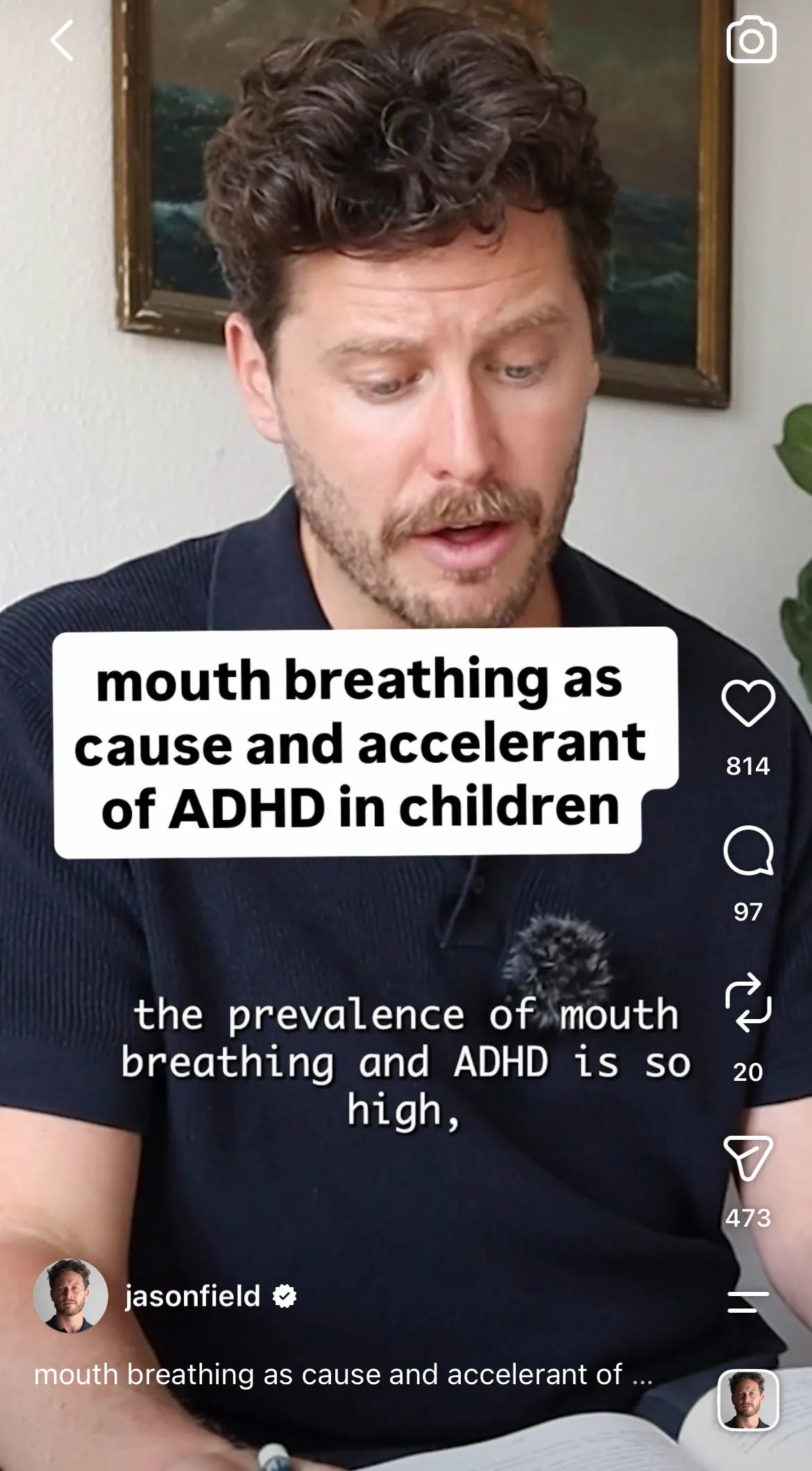
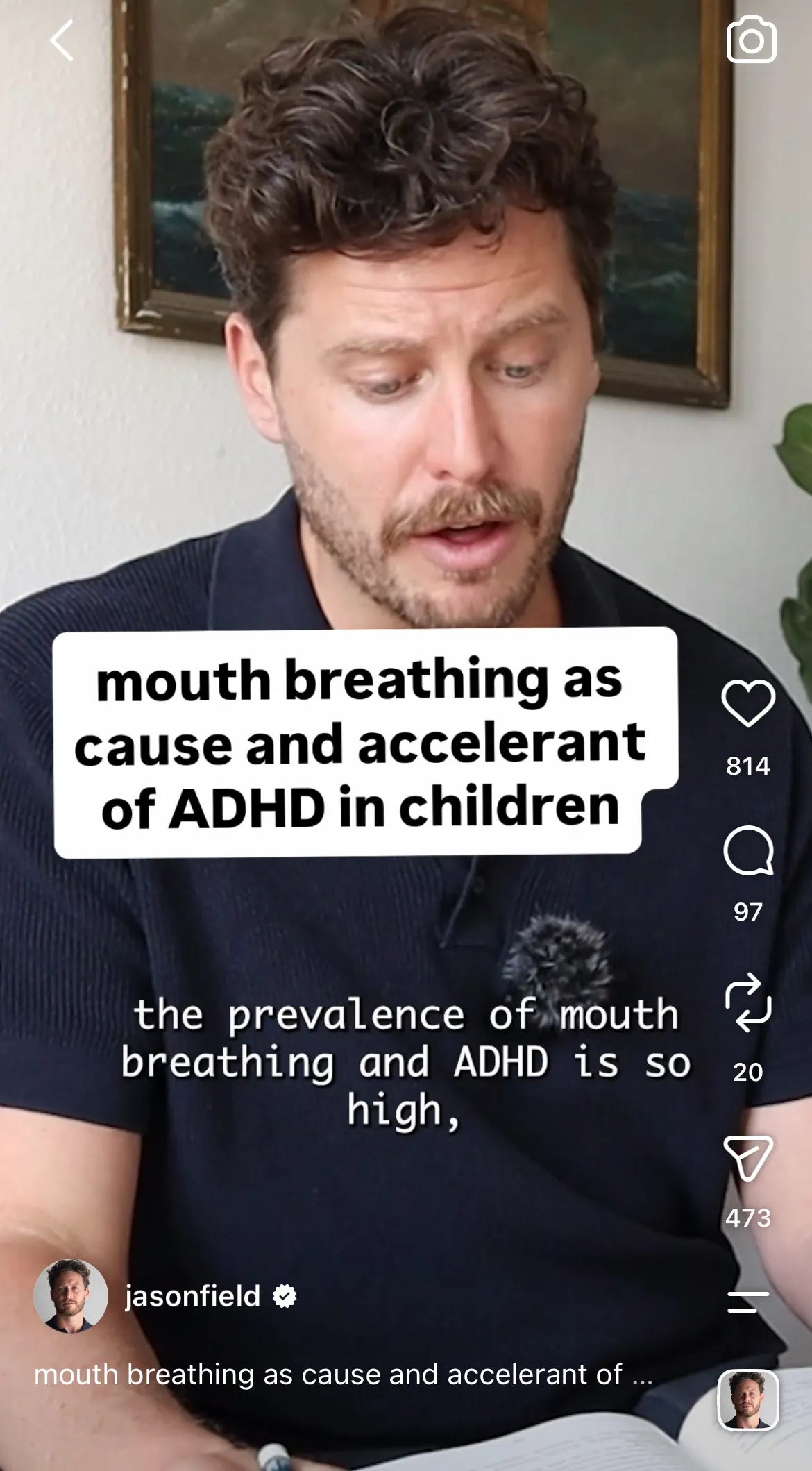
The connection between mouth breathing and ADHD. Researchers discovered an unusually high rate of mouth breathing in children diagnosed with ADHD. This builds upon previous research where brain imaging researchers discovered that participants who were breathing via their mouth showed significantly poorer brain connectivity and activation than nasal-breathing participants, leading to the concern that just about every study using brain scans needs to be revisited because what happens if (at least some of) the variances between subjects were due to breathing pathway? This can sound strange. However, it is extensively studied. As we break down in the Somatic Academy, this is hypothesised to be due to nasal breathing acting as a pump for glymphatic clearance (inversely associated with ADHD symptoms) and prompting brain waves that aid in memory consolidation (ADHD and trauma show low levels of these brain waves). Why are we breathing through our mouth? Inflammation clogs nasal passageways, which also brings in the strong connection between allergies and both ADHD and autism prevalence.
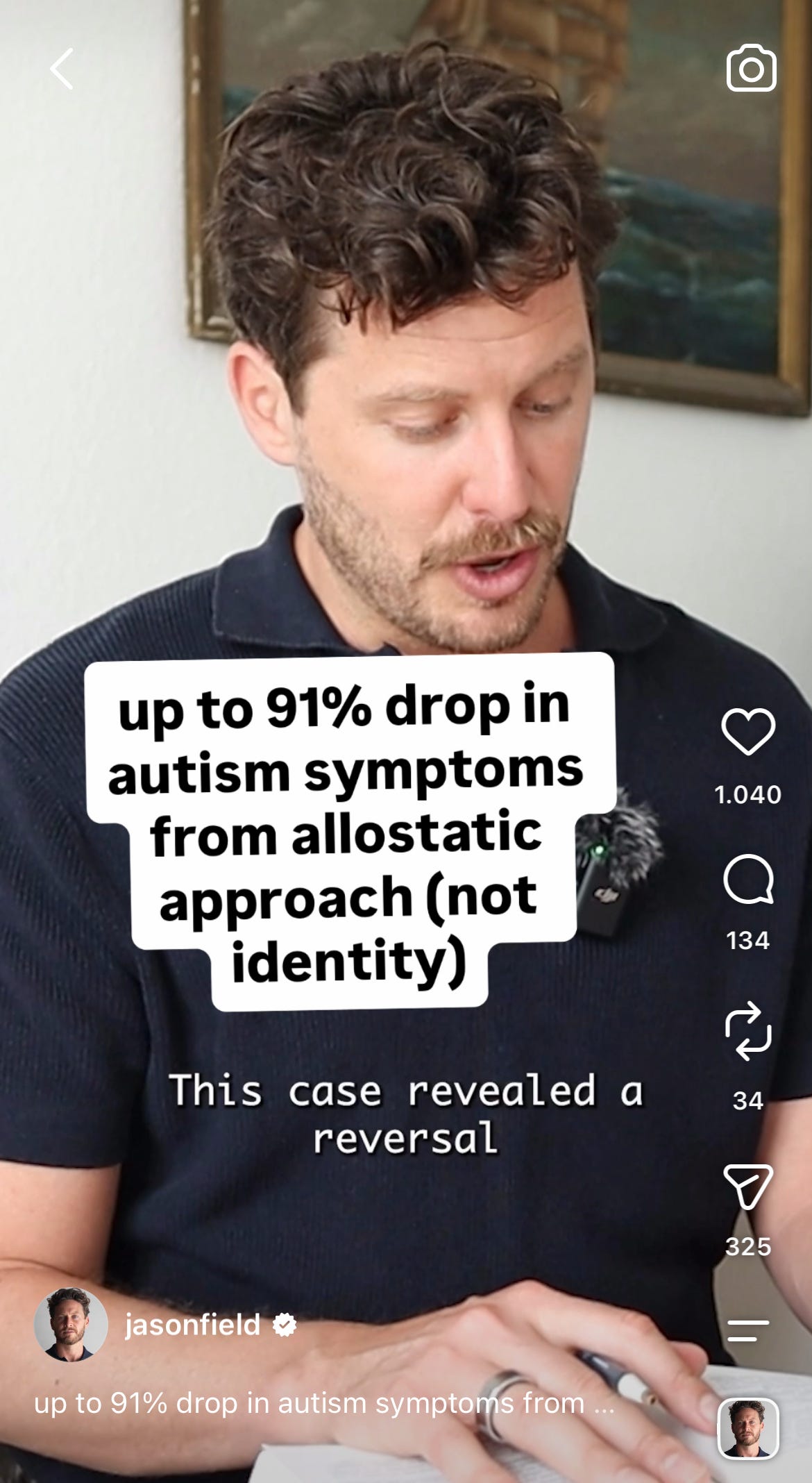
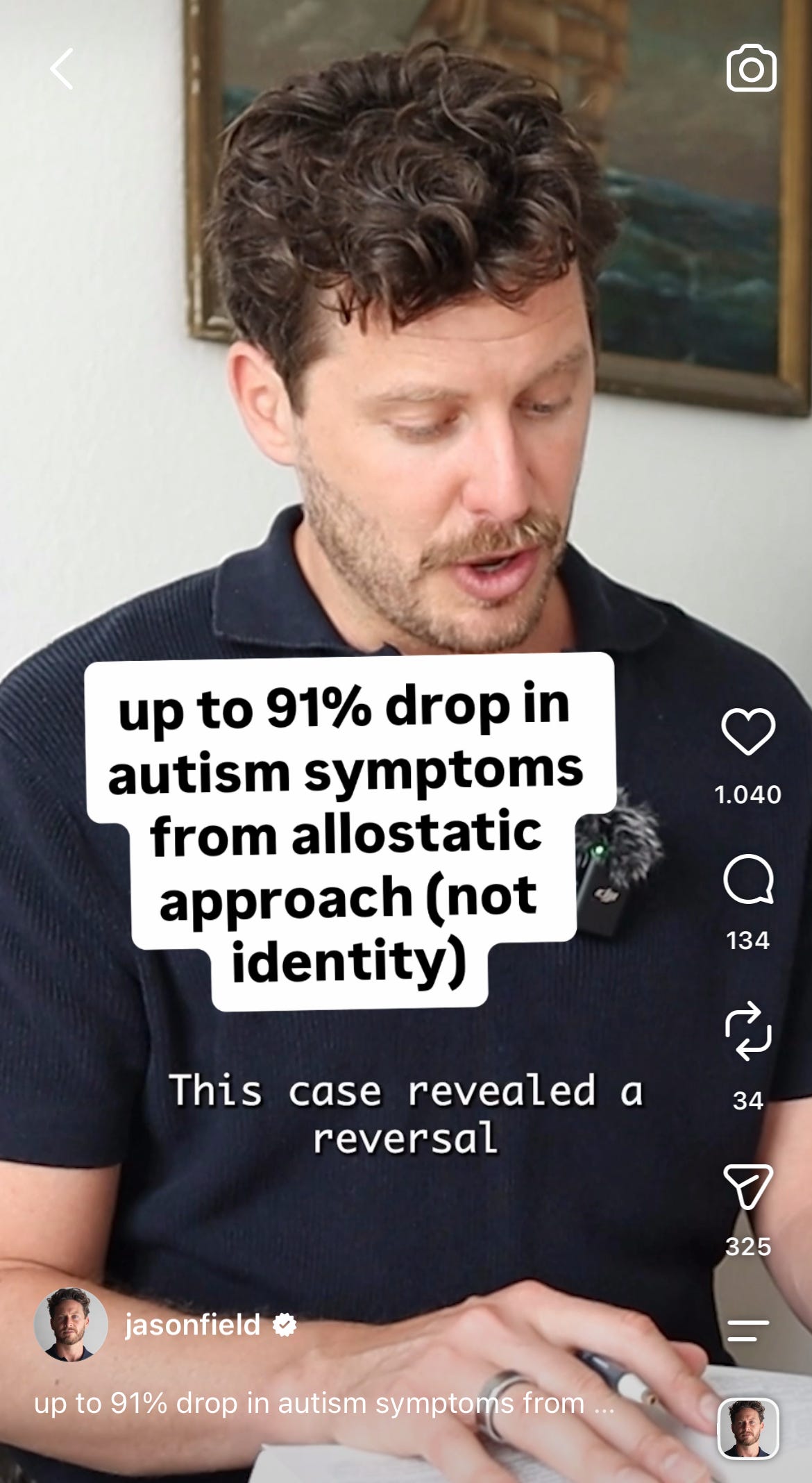
The next most-shared video is simply a reminder not to be a useful idiot. Autism is not a form of human diversity. Autism is not an identity. Autism is not a healthy variation. These beliefs are implanted in brains by the magic bean mafia, who love it because they get lifetime subscribers. The corrupt care industry loves it because the conditions are destigmatised, so everyone goes to get their label, which leads to financially rewarding 6-month waiting lists for practitioners. The patient loves it because finally the indescribable suffering gets a description that offers an in-group. None of that helps to alleviate human suffering. All of it demonstrates our lowest expression of humanity, and the various pathways through which we can be complicit in our species’ devolution as we refuse to see fairness as intergenerational. If this were preventable or reducible, and we find ways to prevent and reduce it, would I (A) cheerlead that? Or (B) would I not cheerlead that because I am confronted with an identity fracture. If I choose (B), I am acting selfishly. I value my homeostasis for X number of years before I pop off this earth more than all life that comes after me, because if future generations knew how to prevent/reduce it, countless lives would be objectively less painful. That requires acknowledging that we all hold worldviews, which we also don’t like to admit, because then we have to examine those too. If we find out our beliefs, which produce behaviour that has consequences, may be self-sabotage/suffering producing in others, bam, abandonment again. So the path of least resistance is a useful idiot. It takes courage, particularly moral courage, to not do that. For ourselves, for our loved ones, for our patients, for our cultural thumb drive.
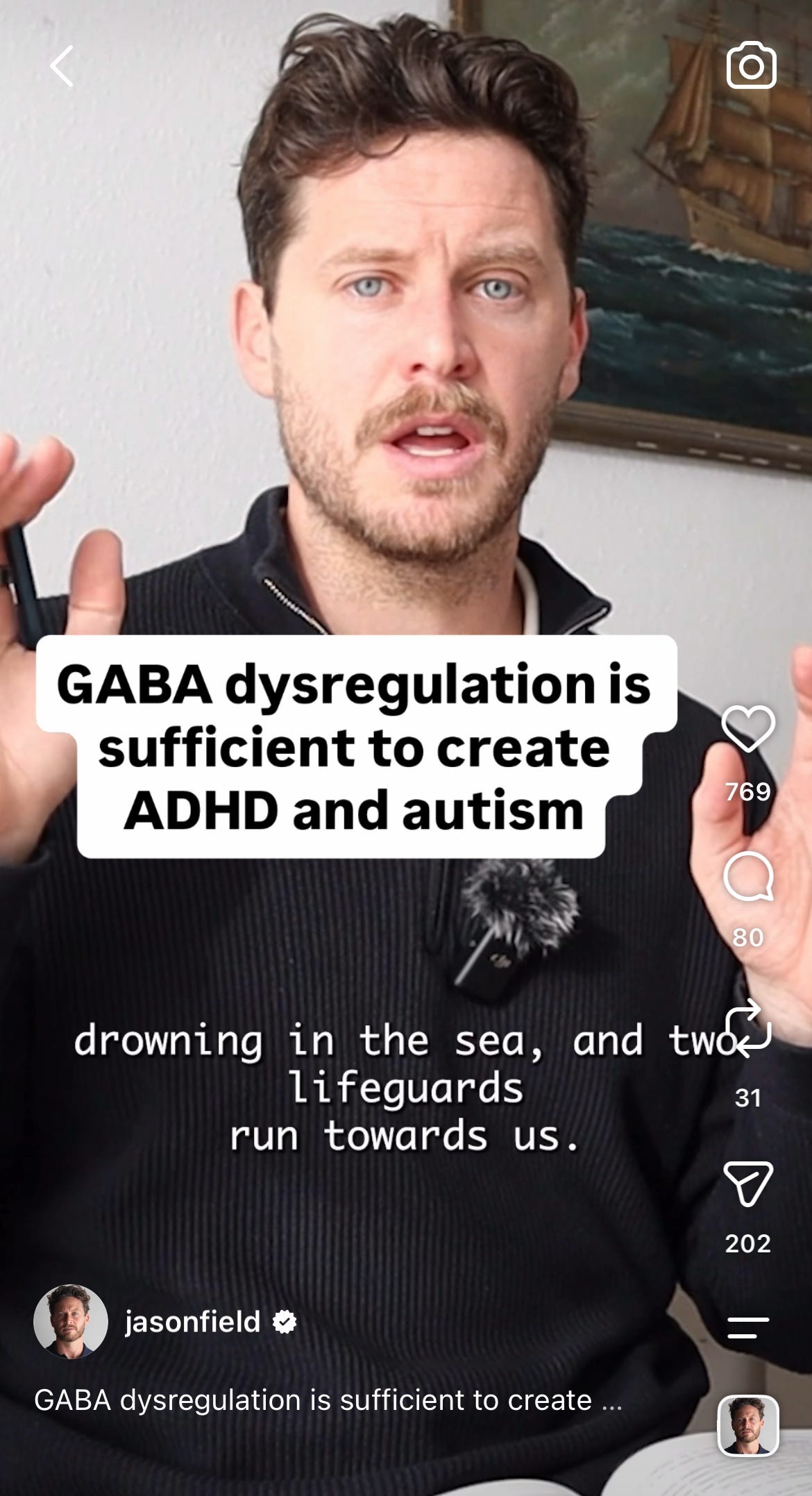
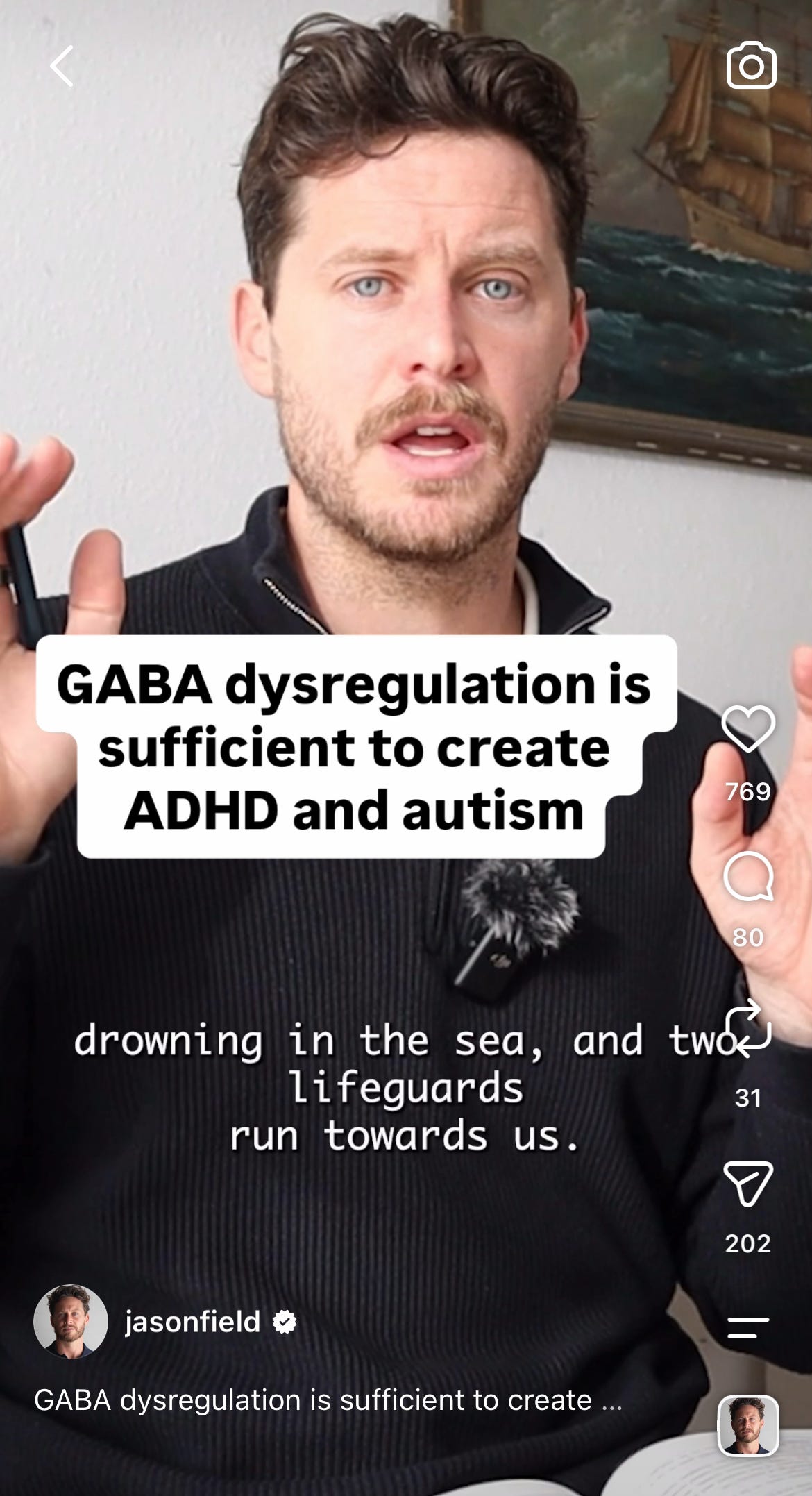
The third most shared video related to GABA and ADHD/autism. When researchers find pathways that are so influential, they alone are able to reach the desired goal of dysregulation, we should listen up. One such pathway is GABA. It is not exclusive to ADHD/autism. We can create panic disorder models in animals via the same pathway. Two main threads are at work here: Do we have GABA? If we do, is it calming us or making the world painful? That is, in both trauma and ADHD/autism, GABA is lower and associated with symptom severity. However, GABA as ‘calm juice’ is an option, not a fate. It depends on chloride levels, which hormones dictate. If cortisol is high, oxytocin is low, testosterone is low in males (stress converts testosterone to estrogen in men), and testosterone is high in females (stress prevents estrogen conversion in women), we will have excitatory GABA, which means we will show ADHD and autism symptoms.
All three of those videos, of course, reveal that our modern care industry does not aim to alleviate human suffering. In fact, it is wholly complicit in human suffering. It can do so because it sits within our modern worldview, not the debris of highest expression striving, but the manipulation of the basic aspects of human nature to serve the interests of people who benefit from that manipulation.
As we looked at in the last newsletter. Money flows to university professors. University professors who hold the keys to ‘authority’ sit on advisory boards that receive money flows. Humans enter indoctrination factories (universities) and receive their software. They play out that software's programming in real life, and humans asking for healers are seen as faceless consumers.
Why are humans prone to software installation? That brings us to an update on the work in progress for program 3. We fundamentally do not understand ourselves. We do not understand the defense cascade. We have good intent in our hearts, but we are wholly held hostage by our bodies trying to save us. Who is ‘we’ in this moment? Better question: Who is most likely to become a front-line defender?
Most people become mental health practitioners because they were the emotional punching bag of their family. They have some thoughts on the human condition because their currency for connection was likely regulating other people’s emotional experience. Why not receive real currency for doing the same for people in distress? Sounds noble. Which means:
Up to 70% of psychologists report insecure attachment, versus 25-30% in the general population.
Up to 80% of psychologists report a history of mental health struggles, while 1 in 2 will hold a diagnosis.
Psychologists have the highest divorce rates of high-income professionals.
This means the injured player is carrying out the rescue for another injured player, deemed reasonable, because at least both are aware of the injuries that can occur in the game of life.
Yet, if we understand the defense cascade, we understand the longer our disturbance continues, the higher up we scale, and the more irrational our survival responses will, rationally, be. Which makes us incredibly permeable to bad ideas. We will accept bad certainty over uncertainty. We carry out the actions asked of us, a false cue of correct behaviour (because I’m just following the rules). We receive money, a false cue of correct behaviour (because if what I am doing was wrong, no one would reward me for doing it).
These are larger philosophical questions of life that can be difficult to entertain when we are not in receptive states. So let’s just leave them as thought bubbles for now and move to something concrete to hold on to. If this software installation was correct and worthy, it would likely (1) address the problem, (2) certainly not hurt the person.
Ok, let’s check on (2):
Depression magic beans are used as an alternative to chemical castration in prison (no one tells us that, do they?)
ADHD magic beans are linked to reduced hippocampus volume and lower bone mineral density.
People diagnosed with autism are twice as likely to be using antidepressants as the general population, and ADHD medication is the second most common prescription for children diagnosed with autism.
Are we doing anything about glutamate? Why would we worry about glutamate? Because it’s part of (1).
It is a ‘switch’ for whether ADHD stays or goes during adolescence.

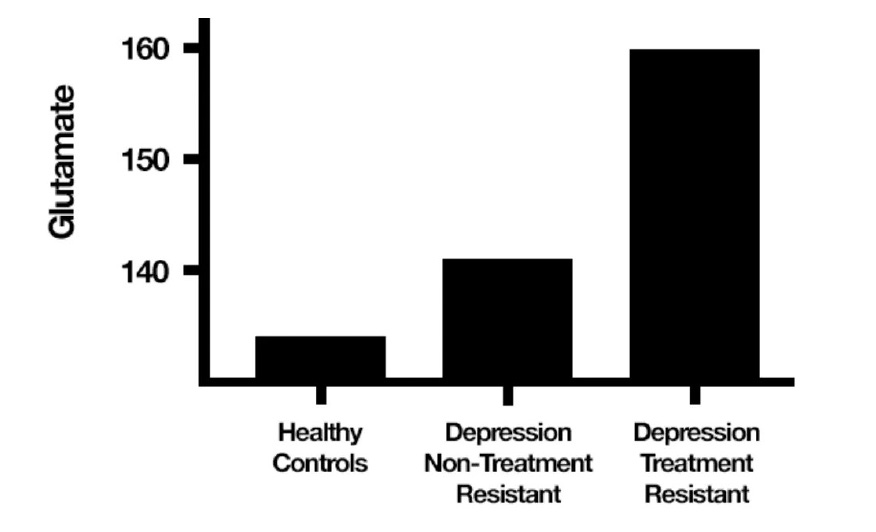
It’s a switch for whether depression is treatment-resistant or not.
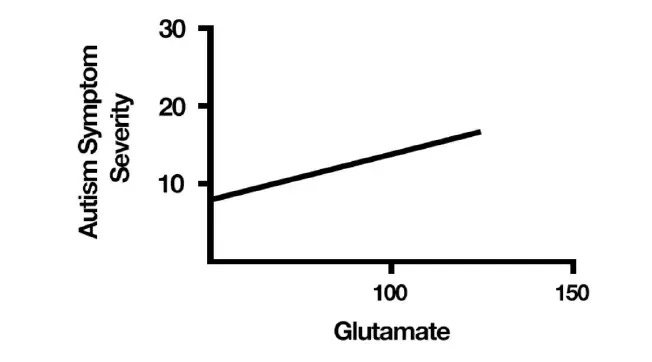
It is positively associated with autism symptoms.
Why is glutamate high? Because we are not safe in the body. We have a simple choice: We take the body to safety, or submit to being a cog in the machine of human suffering.
To help choose safety, we can check in on our recent Monday Meditations.
If we are in a disorganised state, meditating can be just about the worst thing to do. We are in a war with our body, and someone says: go sit with your enemy. That’s not fun. So we see meditation on a continuum. Maybe an energetic release is what we need? Which is why we have our somatic shakeout in the toolkit, as we did a couple of weeks ago.

As we slowly become a friend to our body, we start to meet a version of ourselves that isn’t in a survival response, and that person is quite lovely to sit with. That is the love waiting for us, always, once we find safety.

I’m sure there is a lot to chew on there for this week, and I’ve got to start recording program 3, so I’ll leave it there for now.
To your healing 💙,
Jas