
“Mind blowing…” “You need to be teaching this at university.” “…a welcome return to common sense.”
About this project
Goal: Broaden access to body-led tools
Benefit to practitioners: Improve client outcomes and retention.
Program 1: Map the nervous system’s increasing efforts to meet adversity (including intergenerational), aiding professionals to navigate a patient’s predictable arrival at their current state of disorganisation.
Program 2: Return the patient's body to safety by radically reducing allostatic load and rebuilding a self-regulation toolkit (including re-mobilisation out of passive responses) to increase proximity to trauma and opportunities for resolution.
Latest release
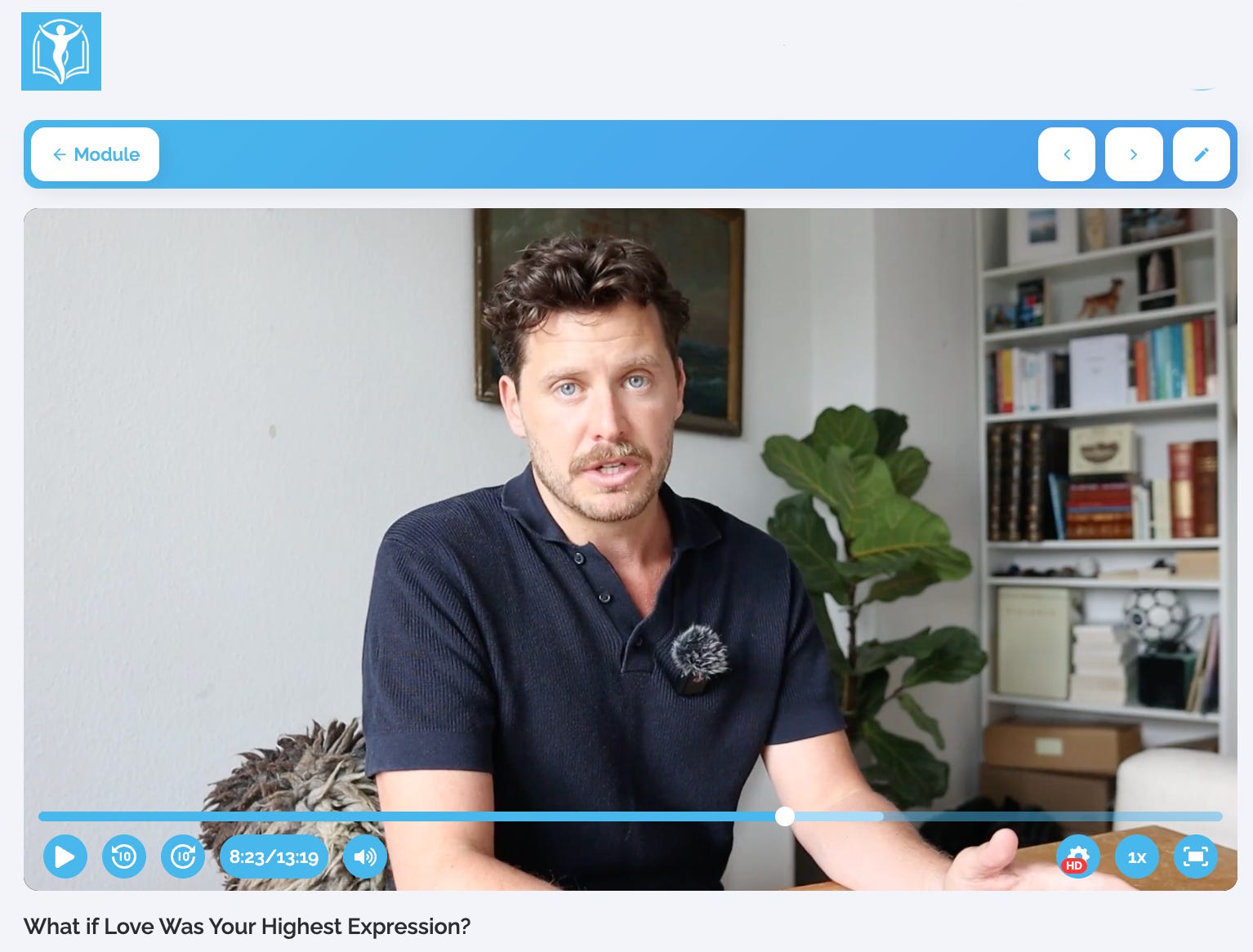
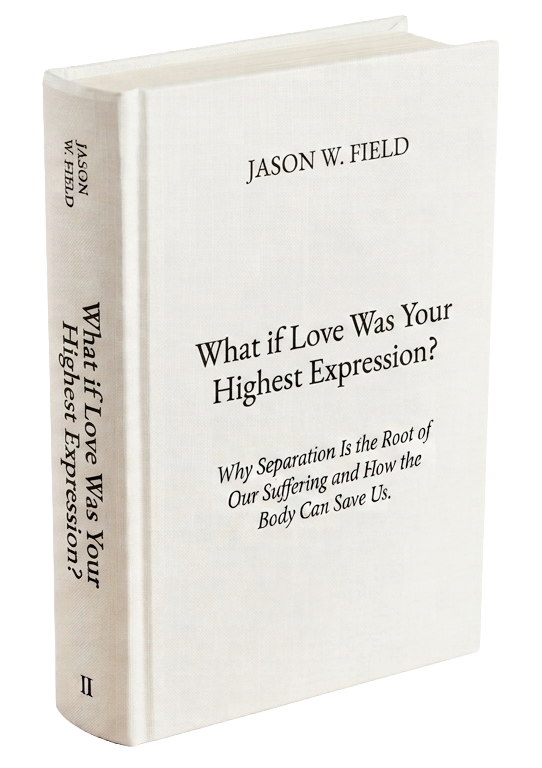
PROGRAM 2: What if Love Was Your Highest Expression? Why Separation Is the Root of Our Suffering and How the Body Can Save Us.
5 somatic reintegration case studies.
7 practical body-work sessions.
30+ hours of course material.
Program 1, The Defense Cascade, set the stage for this effort in alleviating human suffering via landing at the conclusion that despite mass market approaches operating on the belief system that our mental wellbeing is cognitive, individual and beginning the moment we open our eyes, data held in our species library suggests it is body-led, collective and intergenerational.
Questions naturally arising from that investigation are pursued in program 2:
How does our modern world view for healing compare to the world views of prior times? Including contributions from Roman, Greek, Amish, African, Sami, Andaman Island, Christian, Buddhist, and Native American cultures.
Which old technologies are currently being revisited due to the ineffectiveness of our mass-market approaches? Including fecal microbiota transplants and psychedelics.
How are body-led approaches similar to prior cultural thumbdrives and their pursuit of altered states of consciousness? Including comparisons between breathwork and psychedelics.
Can investigating the social evolution of the brain unravel what brought us here, what is holding us up, and what we may be complicit in knocking down with contemporary culture?
What can science reveal about attachment and its opposite, abandonment? Including neural synchrony, endogenous opioid system, hormonal synchrony, heart rate synchrony and our stress response acting as the ‘social other.’
What body state is non-negotiably required for trauma resolution? Including both memory recollection and memory consolidation.
How can switches for diagnosis risk be used as targets of body-led approaches to reduce symptom severity? Including neuroinflammation and neural excitability.
What do epigenetic changes tell us about the intergenerational nature of trauma, and what conditions are most likely to result as a consequence of unresolved trauma?
The body of work developed from answering such questions builds a Rosetta Stone for understanding how both traditional and modern somatic approaches to trauma resolution can be used as complementary tools for practitioners meeting patients with ADHD, autism, panic disorder, c-PTSD and depression, as examples.
A scalable toolkit is offered, enabling re-mobilisation out of passive defense responses and a return to sovereignty over one’s body, with a resulting call to action to rebuild the lost village that previously kept our nervous system from picking up survival responses as the status quo.
FORMAT
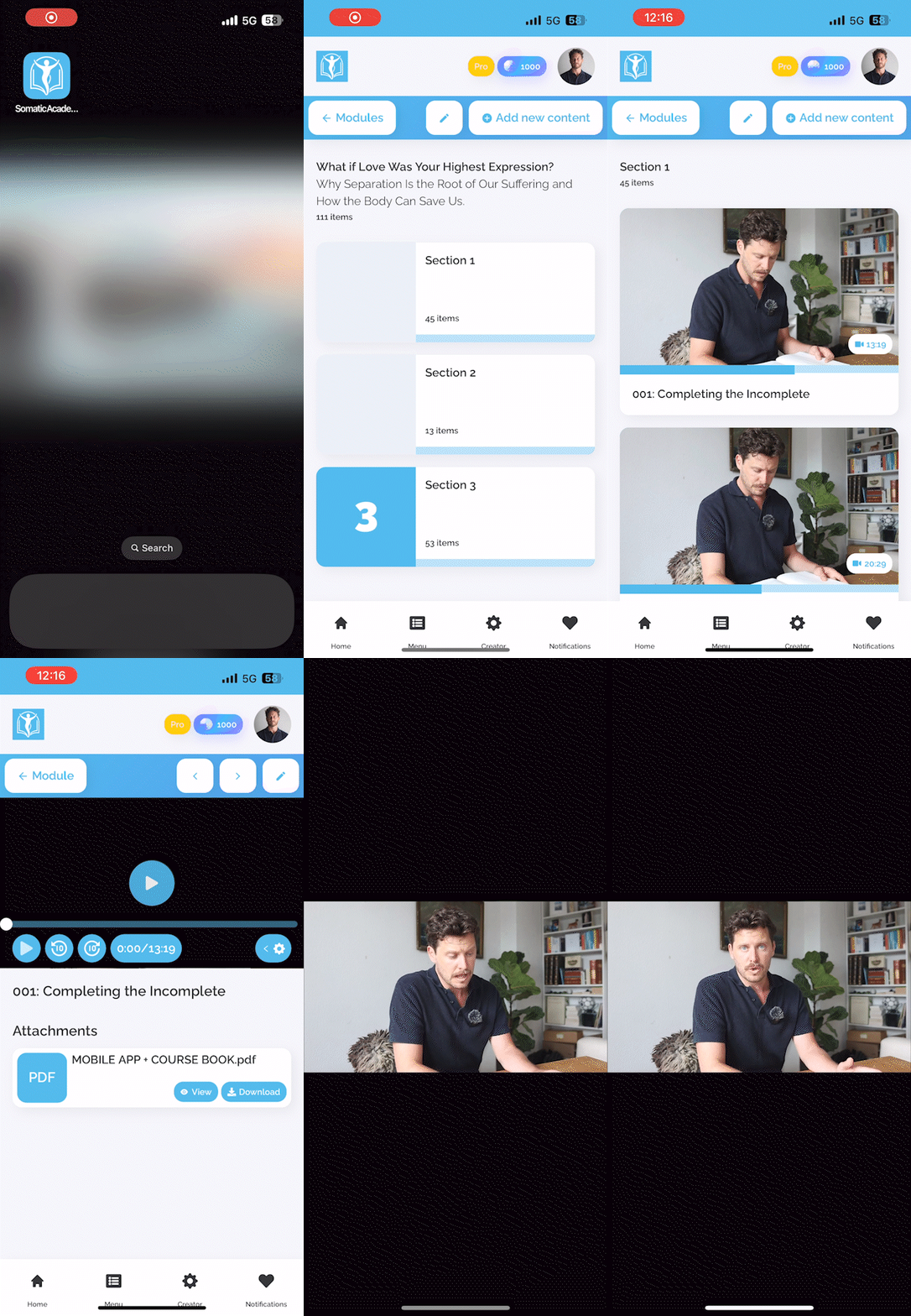
A self-paced online delivery, designed to be consumed daily for 12 weeks. Videos are approximately 15 minutes long, facilitating our titration in confronting often emotionally arousing material. Viewing is available via desktop and mobile devices.
OUTCOMES
YOU WILL LEARN
The latest research findings on trauma resolution and how they compare with both traditional and mass-market approaches.
The latest research findings on the social evolution of the brain and how culture today has contributed towards predictable disorganisation and distress.
Practical exercises for regaining safety in the body (a prerequisite for memory recall and consolidation).
YOU WILL BE ENCOURAGED TO EXPLORE
How to take the body into a receptive state for trauma resolution.
How to take the body into a receptive state for sustainable attachment.
How to rebuild a cultural thumbdrive that defends against trauma, its non-resolution and its subsequent passing down to the next generation that feeds social abandonment.
CURRICULUM
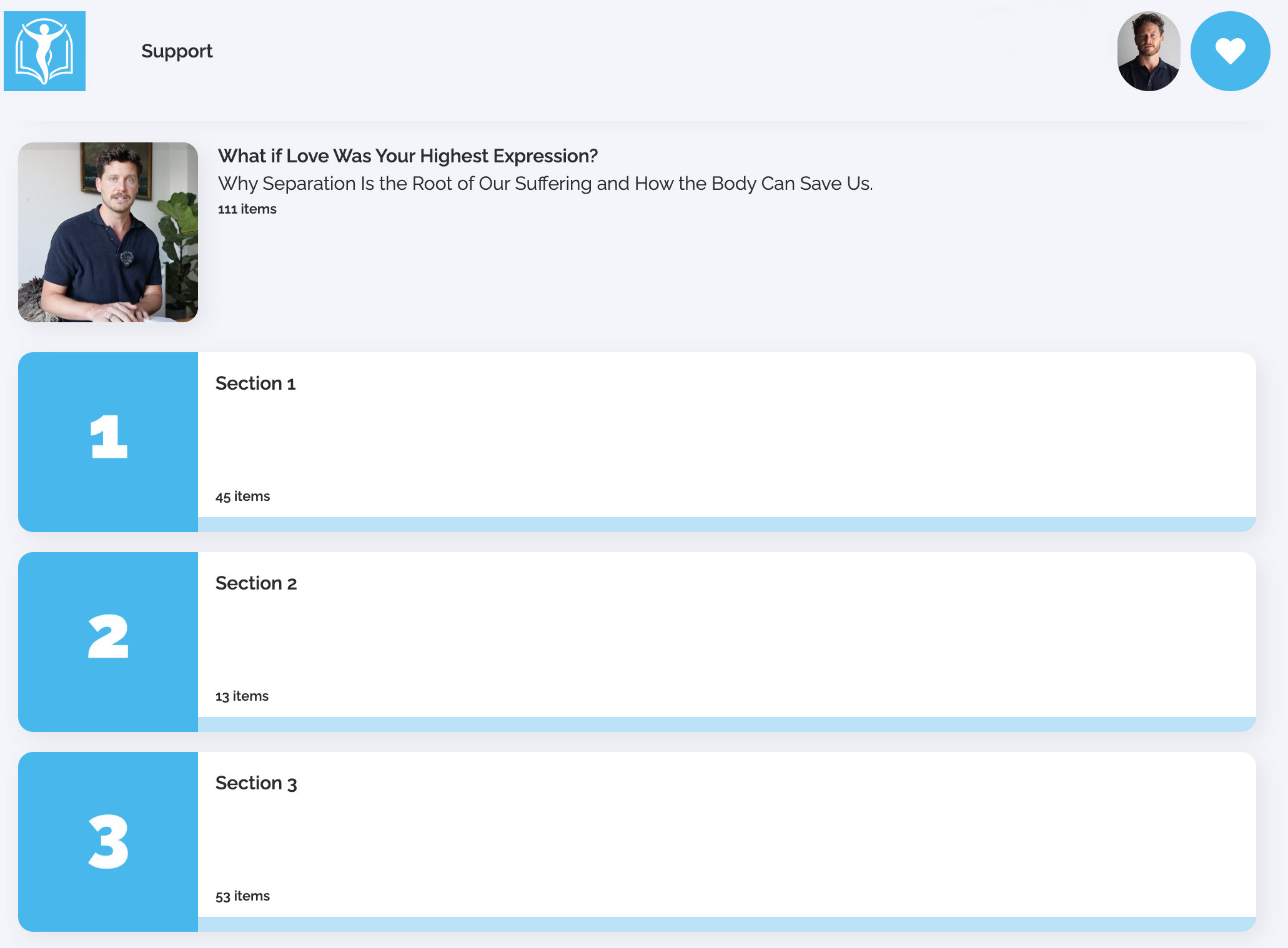
SECTION 1
History of body-led healing and shared physiological targets for returning to wellness.
Leading contemporary approaches to healing including psychadelics and gut focused interventions.
Neural correlates of breathwork and recognised altered states of consciousness.
What do successful interventions for ADHD/ASD reveal to us about pathways for repair?
Cultural trends that are increasing the probability of ADHD/ASD diagnosis in the next generation.
The gut’s influence on repairing/impairing the PTSD pathway of the brain.
Recognising our bones’ role as a stress organ.
Mapping the prerequisites for memory consolidation.
Raising to prominence the role of sex hormone dysregulation in memory consolidation, and body non-safety as the contributory variable.
The latest epigenetic research on the transmission of trauma across generations, as seen in ADHD/ASD.
Nutrient deficiency in the modern Western diet.
Autism as an autoimmune disorder.
SECTION 2
How our modern worldview, self-identifying as rational, often produces irrational outcomes.
Testing the roles of ancient practices in brain development and inflammation reduction.
Why the last century's substitution of attachment for autonomy has diluted our ability to in-group people, and increased the chances for social isolation as seen in dysregulation of the body and brain.
SECTION 3
How music and dance helped shape emotion and social cohesion, providing opportunities to be re-applied for our return to homeostasis.
Remobilisation exercises out of passive defense responses.
Spontaneous and prompted somatic reintegration of emotional experience.
The connection between breath and inflammation.
Breathwork to increase blood flow to the brain.
Breathwork to increase the endogenous opioid system.
Breathwork to rebalance norepinephrine release.
Breathwork to induce glymphatic clearance.
Breathwork to stimulate the vagus nerve.
Cultural relics to aid emotional regulation.
The success of body-led approaches to rescue epigenetic changes after high adversity.
Reconstructing our hero story with the use of art and storytelling.
____________________________________________________________________________
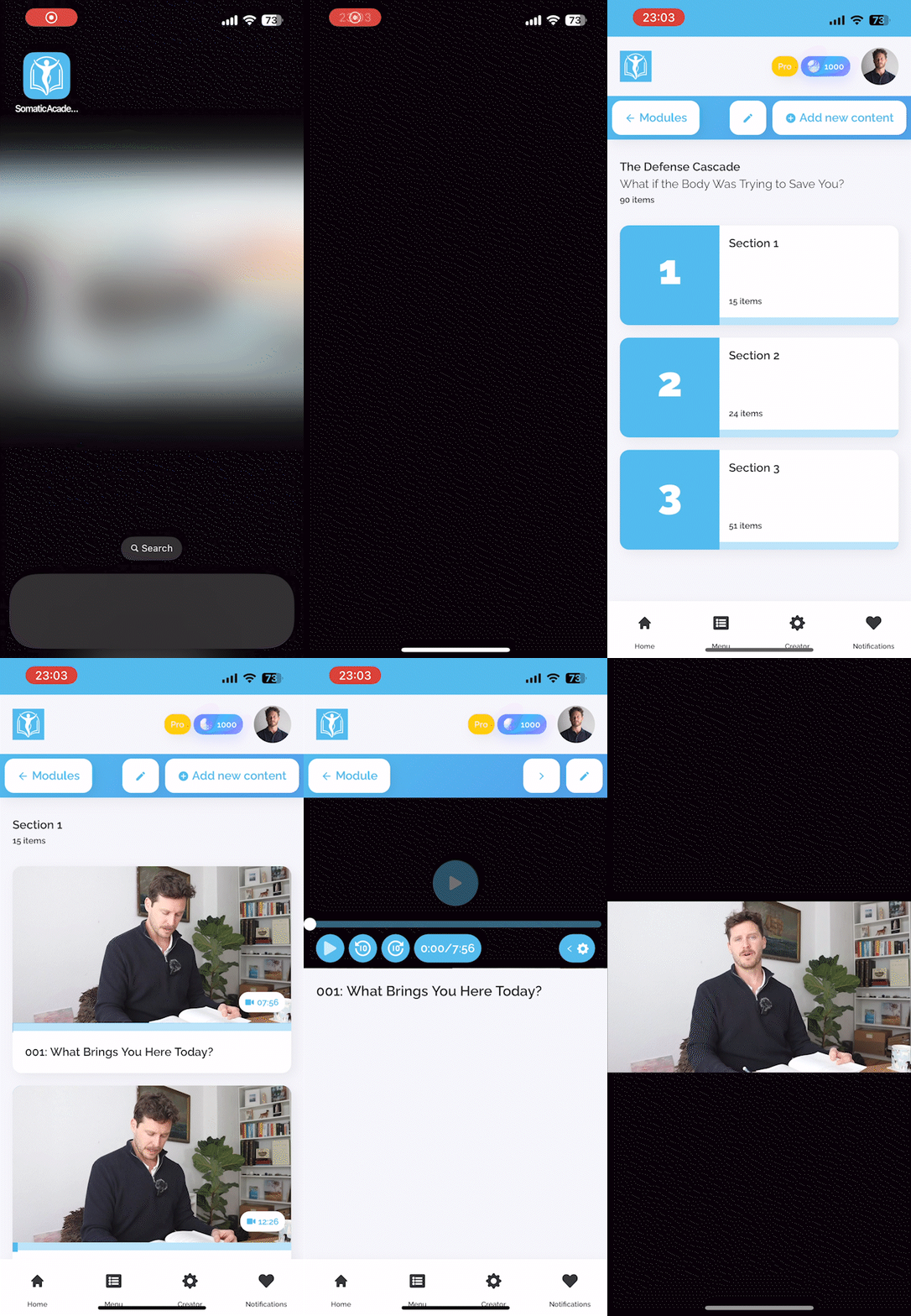
PROGRAM 1: The Defense Cascade What if the Body Was Trying to Save You?
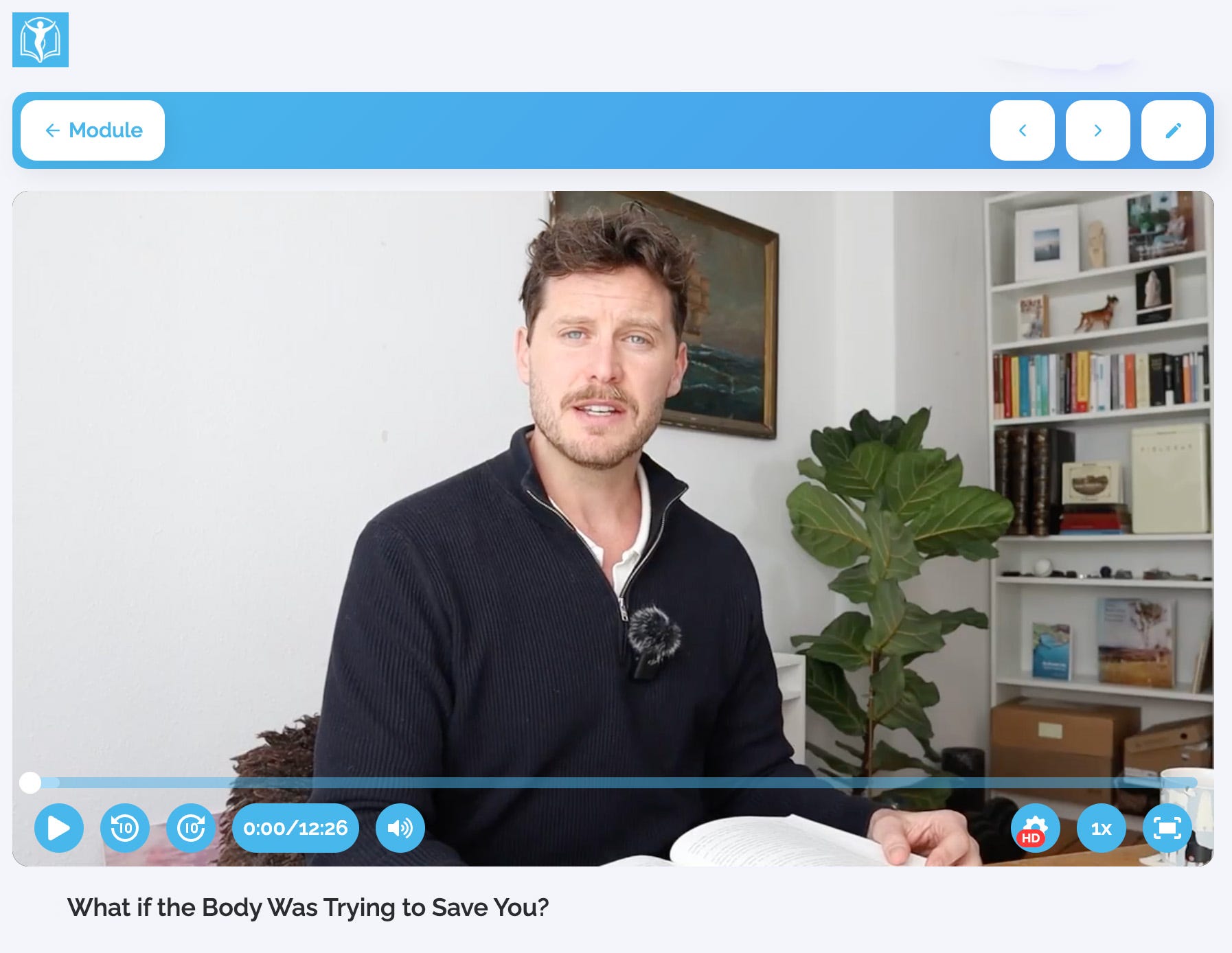
This program invites the participant to take a compassionate ride with our human DNA soup, as it does what it has always done: keep us alive in the face of rising demands.
Questions investigated include:
Do we arrive calm, or are we hyper-vigilant, and only turn to calm after the presentation of care and safety?
Is our mental health our own, or can investigating our first-degree relatives reveal shared nervous system participation?
How effective are mass market approaches when compared to body-led approaches?
What epigenetic changes are present in adulthood after low care and/or high-adversity childhoods?
What passive defense responses predict higher rates of victimisation?
Can genetics help us understand what activates the risk of mental health diagnosis?
What role do pollution and poor diet play in the risk of mental health diagnosis?
Do men and women engage with stress by using the same survival responses?
With a focus on ADHD, autism and panic disorder, our modern tools are quarantined through the most up-to-date science, revealing that perhaps our well-being is not cognitive, individual and beginning the moment we open our eyes, but closer to body-led, collective and intergenerational.
Should that be true, we are all left with a rite of passage to rebuild trust with our bodies, return them to calm, in order to reset the stepping off point for future generations.
FORMAT
A self-paced online delivery, designed to be consumed daily for 12 weeks. Videos are approximately 15 minutes long, facilitating our titration in confronting often emotionally arousing material. Viewing is available via desktop and mobile devices.
OUTCOMES
YOU WILL LEARN
The latest research findings on intergenerational trauma.
The latest research findings on epigenetic changes in response to cumulative lifetime adversity.
The latest research findings on the sequential implementation of survival responses by the body as non-safety remains persistent.
YOU WILL BE ENCOURAGED TO EXPLORE
A safety-in-the-body-first protocol and the tools that aid that goal.
A compassionate inquiry protocol that views mental well-being as collective and body-led rather than individual and cognitive.
How safety and compassion repair bodily vessels and, as a by-product, strengthen cognitive framework outcomes.
CURRICULUM
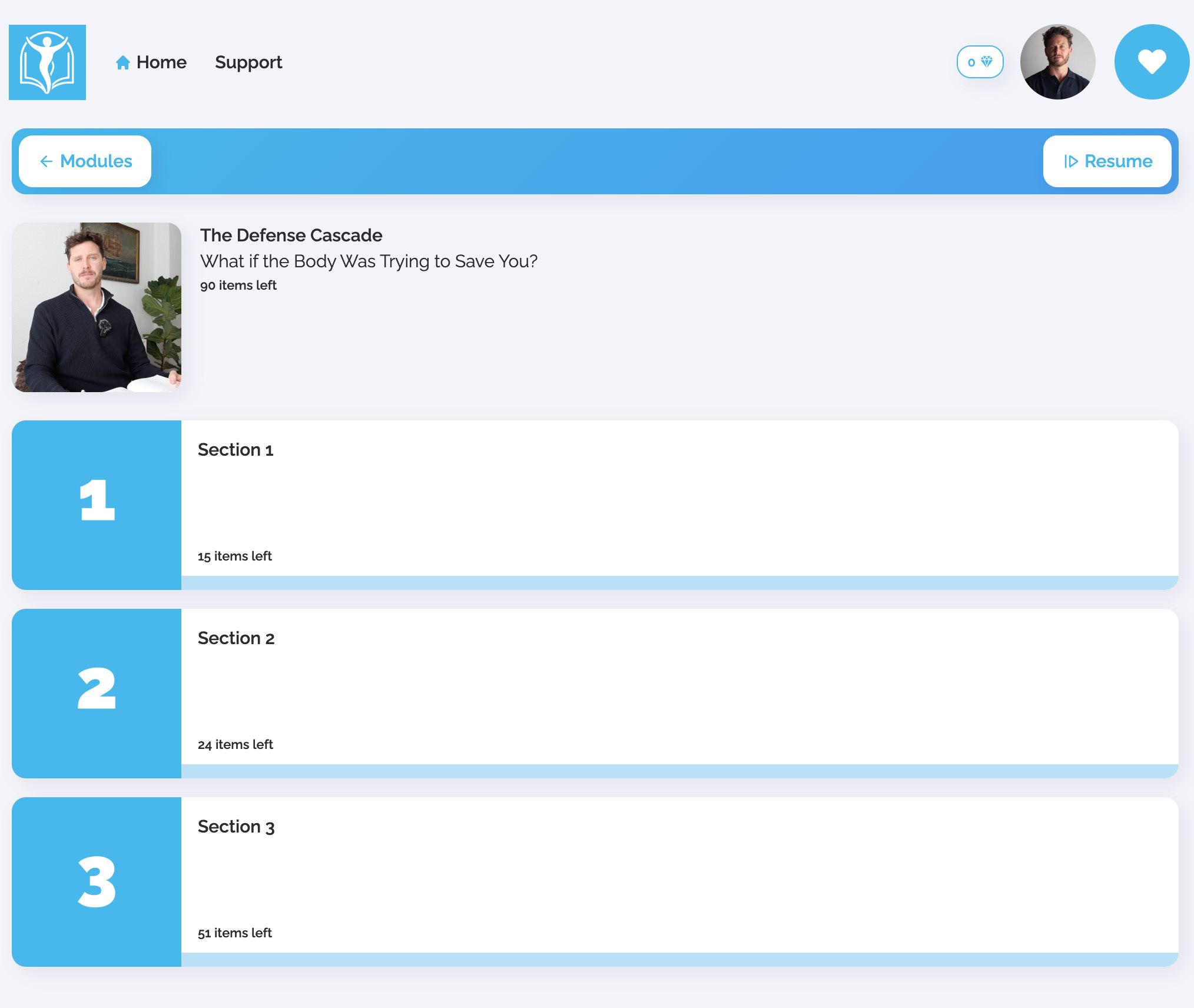
SECTION 1
What if our stress response was socially determined?
Can epigenetic research link early adversity to adult outcomes?
How effective are current mass market approaches for panic disorder?
How effective are the latest body-led approaches for panic disorder?
Can an intergenerational perspective help us better understand the rise in ADHD/ASD?
SECTION 2
When are cognitive approaches retraumatising?
How do the physiological changes that occur in the brain after sustained stress impact treatment success?
How does a safety-first approach restore the body's function and increase the likelihood of treatment success?
What can inter-human transfers of states of arousal teach us about early life stress and ADHD/ASD diagnosis?
Can parent-centred interventions reduce ADHD/ASD behavioural problems in children?
How can we identify the freeze response and find targets to reduce its necessity for presentation?
How can we identify the shutdown response and what mediates our remobilisation?
How does the body shift resources during the transition in and out of passive defensive strategies?
What role does inflammation play in ADHD/ASD?
Can a multi-generational (3+) approach increase our understanding of ADHD/ASD?
How do men and women interact differently in their survival responses?
How does the endorphin system give us insight into where our highest expression resides, and what may be a prerequisite to us arriving there?
SECTION 3
Why do mass market approaches struggle when patients are suffering from dissociation? How do body-led approaches help solve this?
Why does GABA turn excitatory? What can we do to turn it back into our primary inhibitory neurotransmitter?
What does ‘secure attachment’ actually look like in the body and in the brain?
What role does a life history of parentification/parental marital dissatisfaction play in adult emotional distancing? How is this connected to later illness?
How are men and women designed to hand over specific skillsets to the next generation? What opportunities are available for us to rescue such a transfer once it has been interrupted?
How can the cortisol curve and body inflammation predict extreme political participation?
How can we understand selective mutism, hyperhidrosis and self-stimulation as rational survival responses?
How comparable are hormonal and neurotransmitter responses in ADHD/ASD to trauma responses?
How does the body carry out emotional suppression? How does compassion unwind this?
What chain of early life events increases the probability of adult panic disorder?
What causes the intense feelings of a panic attack, and how can we understand this as a call for collection, not catastrophizing?
Could executive function be dependent on safety in the body, and what evidence is there that body-led approaches can alter neural, hormonal and even respiratory patterns to bring about this safety?
____________________________________________________________________________
MEET THE PRESENTER
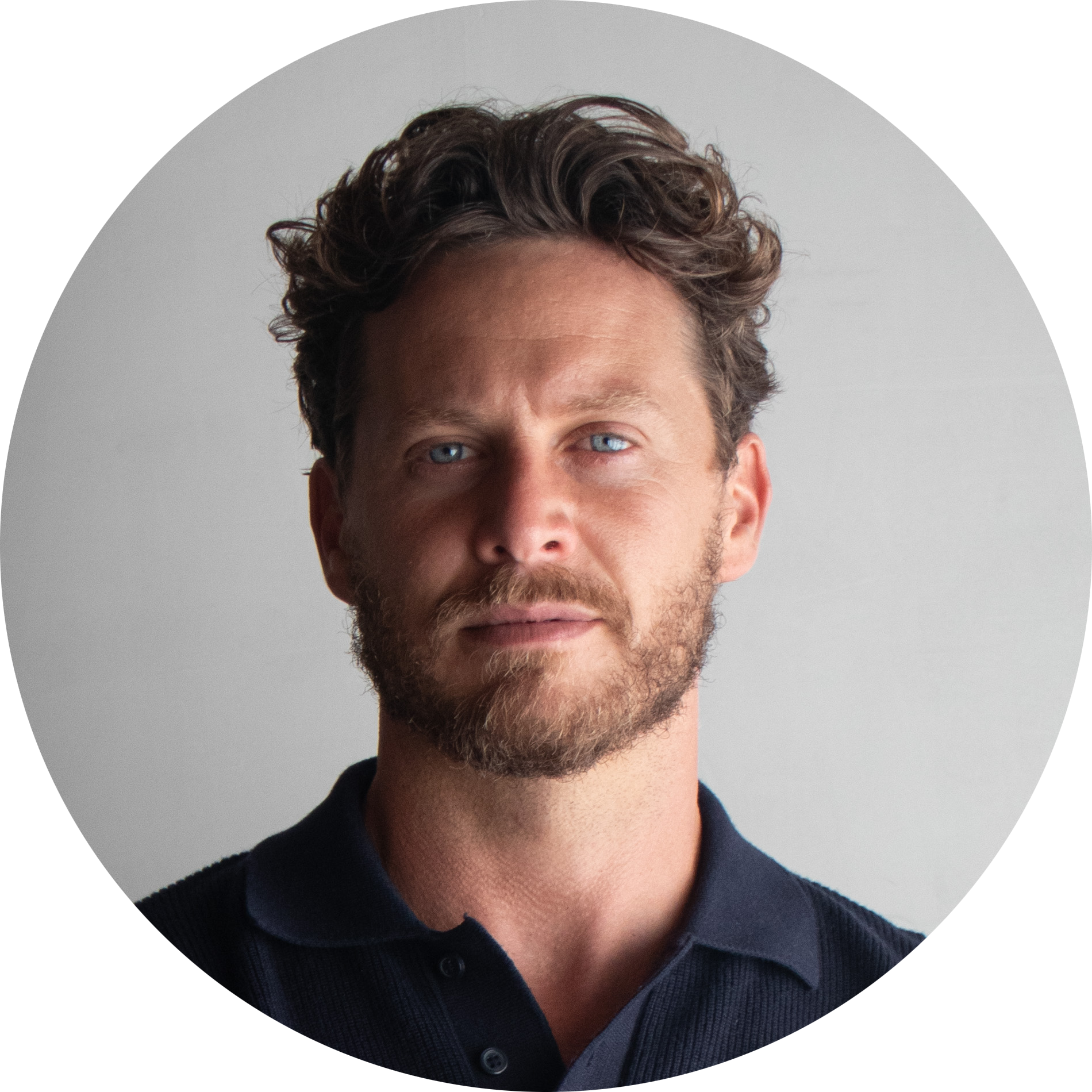
Jason’s relatable and compassionate approach to restoring wellness is a reflection of his own life journey that has involved collecting a shopping list of life diagnoses, including:
Separation anxiety
Selective mutism
Hyperhidrosis
Anxiety
Depression
Addiction
Panic Disorder
c-PTSD
ADHD
ASD
He first put his hand up for help from mental health practitioners after a burnout from a private banking career. Unfortunately, the interventions' ineffectiveness set the stage for two more burnouts, at remarkably regular intervals.
Unsatisfied with the results from mainstream avenues, he broadened his vision, and thankfully, the cycle finally broke under the stewardship of his somatic Teacher. Consequently, a cry for help would transform into a calling.
What began as a monthly newsletter evolved into retreats attended by curious individuals who shared a commitment to personal development. Unexpectedly, the work became widely in demand among practitioners who refused to ignore the gap between the software frontline defenders are installed with and patient outcomes.
Today, Jason’s passion for broadening access to somatic-based healing is focused on presenting body-led tools to the care industry whilst wrapping them in the modern language of science. The necessity and uniqueness of these efforts have established him as a highly sought-after voice worldwide.
The term ‘cultural poverty’ has been embedded in his call for action. Extending past isolated cause, effect, care - the term captures how we have disconnected our ancestors’ cultural thumbdrive that was handed from generation to generation to help us make humans, heal humans, and remind us what predictable outcomes arise when we fail to adequately achieve both. In this light, the widespread diagnosis charts are viewed as a call to rebuild that toolkit and reorient our focus towards our highest expression: love.
His work is currently accessible via an online academy and two text resources that form the backbone of his teaching:
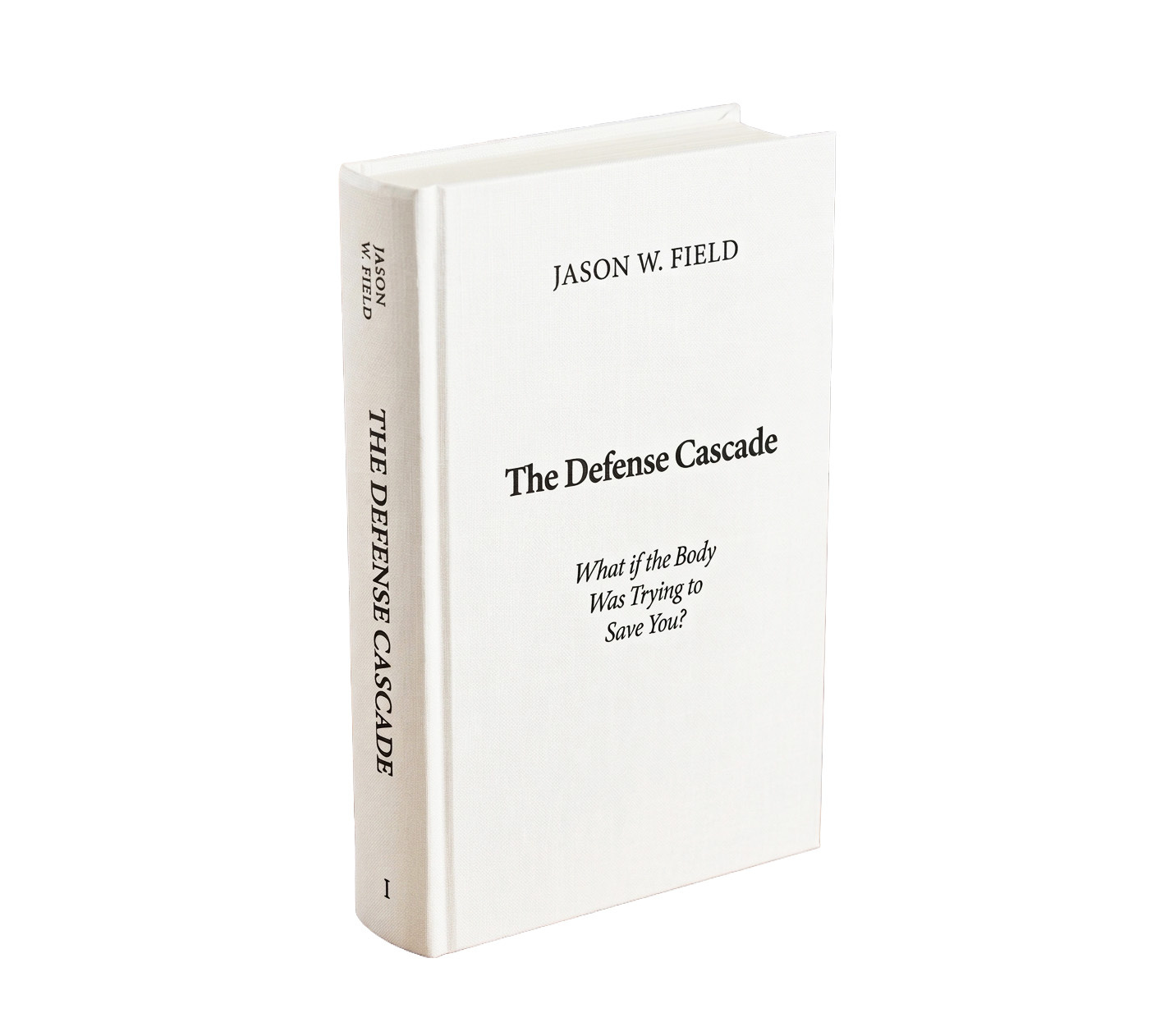
The Defense Cascade - What if the Body Was Trying to Save You? The book is available to be read on its own or as an optional addition to the online program and is available exclusively to Amazon: Australia, USA, Germany, Canada, UK, France, Spain, Italy, Netherlands, Poland, Sweden, Belgium, Ireland, Japan.
What if Love Was Your Highest Expression? Why Separation Is the Root of Our Suffering and How the Body Can Save Us. The book is available to be read on its own or as an optional addition to the online program and is available exclusively to Amazon: Australia, USA, UK, Germany, Canada, France, Spain, Italy, Netherlands, Poland, Sweden, Belgium, Ireland, Japan.
IMPORTANT DISCLAIMER
Please note that while this is prepared for practitioners, individuals curious about self-directed healing are welcome to enrol; however, it is highly recommended that you engage with this material as a complementary asset alongside your private therapy sessions.
Neither the publisher nor the presentor are engaged in rendering professional advice or services to the individual consumer. The ideas, procedures, and suggestions contained in this material are not intended as a substitute for consulting with your physician. All matters regarding your health require medical supervision. Neither the presenter nor the publisher shall be liable or responsible for any loss or damage allegedly arisen from any information or suggestion in this material.
This research uses an evidence-based approach to human DNA. In recent years, some segments of the global community have adopted a social justice worldview instead. Those utilising that lens may find this material distressing. Specifically, the topics of gender, neurodiversity and non-intact families are thoroughly explored:
Men and women often have opposite reactions to the same circumstances, and understanding these reactions helps tailor care to injured parties.
People diagnosed with ADHD/ASD are at a substantially higher risk of additional mental health diagnoses, as are their family members. Investigating areas of change is presented as a duty of care.
Adults from non-intact families frequently experience lower life outcomes. Unravelling the ‘hardware’ changes, such as brain development, hormonal and neurotransmitter alterations, is critical to assist in bridging gaps when such circumstances arise.