

Happy Tuesday fellow human,
A little later than usual this week due to some travel requirements, but back on board now, and I do hope the month has started off smoothly for you.
Let’s begin with the most shared videos, all of course excerpts from the Somatic Academy program: ‘The Defense Cascade - What if the Body Was Trying to Save You?’
The most shared video of the week covered the sex hormone profile of COVID patients in the intensive care unit. While obviously we would all prefer not to have a repeat of that period in our lives, it has offered us a large-scale sample of what being sick in the body looks like, and what it looks like is infertility. Those who have enrolled in the Somatic Academy will be well aware of just how important our sex hormones are to our mental health, and how absurd it is that our sex hormones are not immediately targetted for repair due to high testosterone in women and low testosterone in men predicting ego-centrism, anxiety, depression, anger, panic attacks, agoraphobia, ADHD symptoms and PTSD symptoms, as a few examples. Imagine that, we sit down in the hot seat, and the moment after our discussions meet the threshold for a diagnosis, we receive a checklist that includes how to reach our age-adjusted level of fertility. Wouldn’t that be something?
The second most shared video explored the connection between casual sex attitudes in college and birth weight. Relevant to the target areas of this project, interestingly, ADHD scores shared a very similar relationship. That is, low birth weight predicts higher ADHD symptoms and higher likelihood of a positive view of casual sex. This is one of the moments, of course, that we recognise the intergenerational nature of our experience, because we can’t control our birth weight, but our parents can. If they failed to pair-bond and our father was not around during pregnancy, this increases the risk of low birthweight by 70%. If our mum followed a plant-based diet during pregnancy, this increases the risk of low birthweight by 170%.
The third most shared video of the week related to the transfer of arousal, which is one of the most potent examples of our cultural poverty today. We have known for a very long time that arousal can be transferred between humans, and interestingly, even between different species. E.g. our dogs quite readily catch our stress. We, quite readily, ignore that data, whether between us and our pets, or between us and our partners and children. What helps us do that is allocating symptoms representative of this transfer to the next generation as wholly their own and uncorrelated with our personal distress scores. Such behaviour is facilitated and perpetuated by front-line defenders, who are installed with the care software of today that choses to actively avoid the data we hold on ourselves in the species library. Who suffers most from this departure from truth, and charge toward magic beans for all? Young boys with autism. Why? Because males receive arousal from females more than females do from males. Because children receive arousal from adults more than adults receive from children. Because the transfer of arousal is correlated with autism symptom severity. Once again we are reminded that the highest act of love we can carry out for another is our own healing.
Moving over to work-in-progress. I’ve shared the sacred roles of mum and dad a number of times. Mum is bottom-up, dad is top-down. What happens when dad is not around? We have a 5% smaller DLPFC (ADHD is 8%), an area of the brain that drives our top-down regulation but is also positively associated with GABA levels, self-esteem, and generosity. How is this carried out? Via neural synchrony.
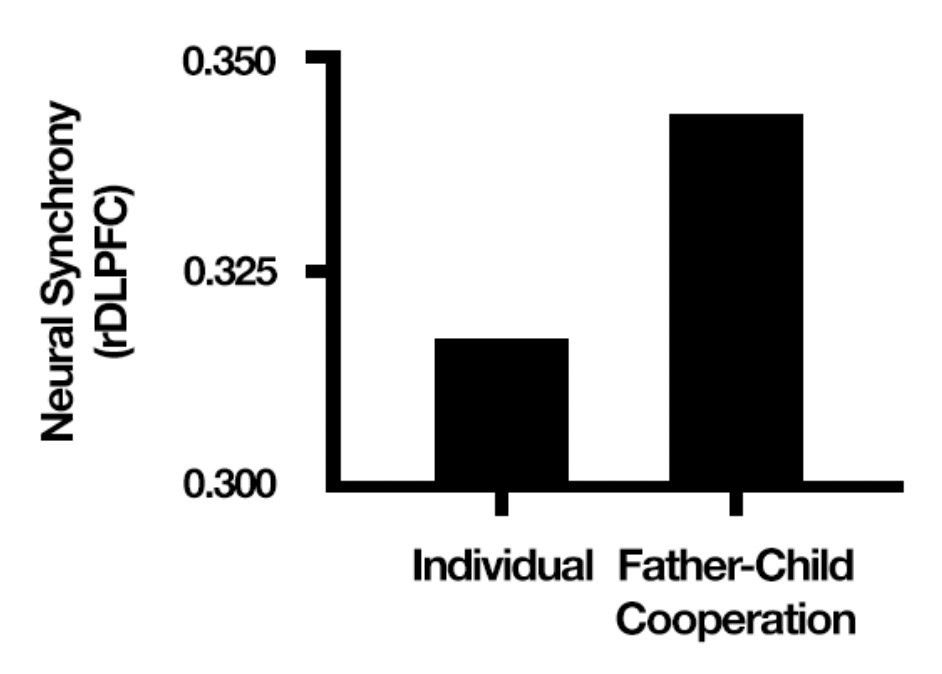
When a father engages in a task with his child, they synchronise in this area of the brain.
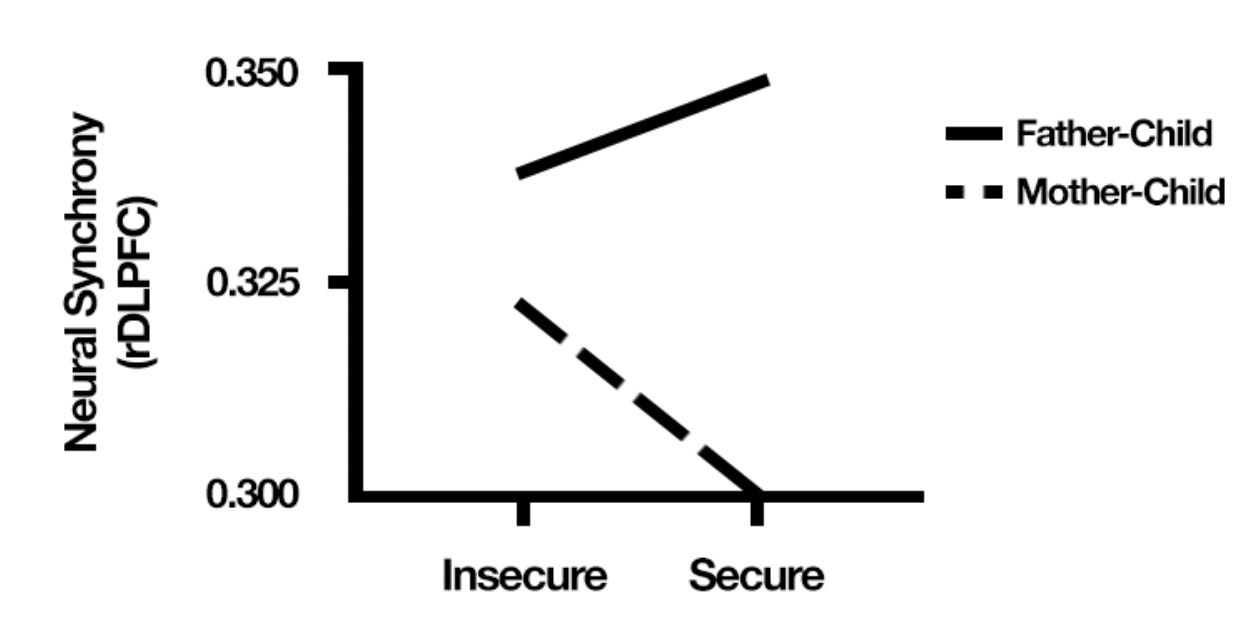
The more they do, the more securely attached they will be. The more a child does with their mother, the less securely attached they will be. Why? Because their bodies are asking for bottom-up co-regulation from mum.
Moving on to our Monday meditation for the week, we returned to safe harbour that is frequently visited: loving-kindness. A well-studied meditation technique that not only drops cortisol but also ups oxytocin. Yes, we can close the gap that is the root of our suffering by simply sitting down with ourselves. What would the world look like if we all more frequently chose that pathway? We can only wonder.

I’ll leave it there for now.
Here’s to your healing 💙,
Jas