

Happy Sunday fellow human,
How time flies, can you believe we are into the second quarter of the year? I hope that you are well on your way towards your 2026 goals, or if you haven’t asked what they are yet, you are able to carve out some time to set a north star.
What follows is a little round-up of the week that was.
Ground has been broken on program two of the Somatic Academy, a reminder of the project at large:
Program 1 is up the defense cascade, understanding how our intelligent body continues to try to save us at every turn, which includes the ability to start our experience with several survival responses in each hand based on the lives of those who came before us.
Program 2 is down the defense cascade, learning how to take the body to safety and whilst there, release the debris of trauma. Working title is ‘They Abandoned Themselves.’
Program 3 is drafted as ‘a fragile elevation,’ helping overcome our current cultural poverty of believing humans are on escalator rides towards their highest expression via coming to terms with how humans are built from the ground up by their parents. From there, we can more effectively adopt ourselves, replace the missing parts, and help reset the stepping off point for the next generation.
Regarding program two, the current work in progress, I thought I would share this graph below. What does it show? The percentage of the sample that suffered from intestinal permeability. That sample was separated into healthy controls, those diagnosed with autism (who had a 7 times higher rate), but in the middle, what do we find? First-degree relatives. A chart that looks very similar to our ‘fear of bodily symptoms’ chart in first-degree relatives of panic disorder patients within program 1.
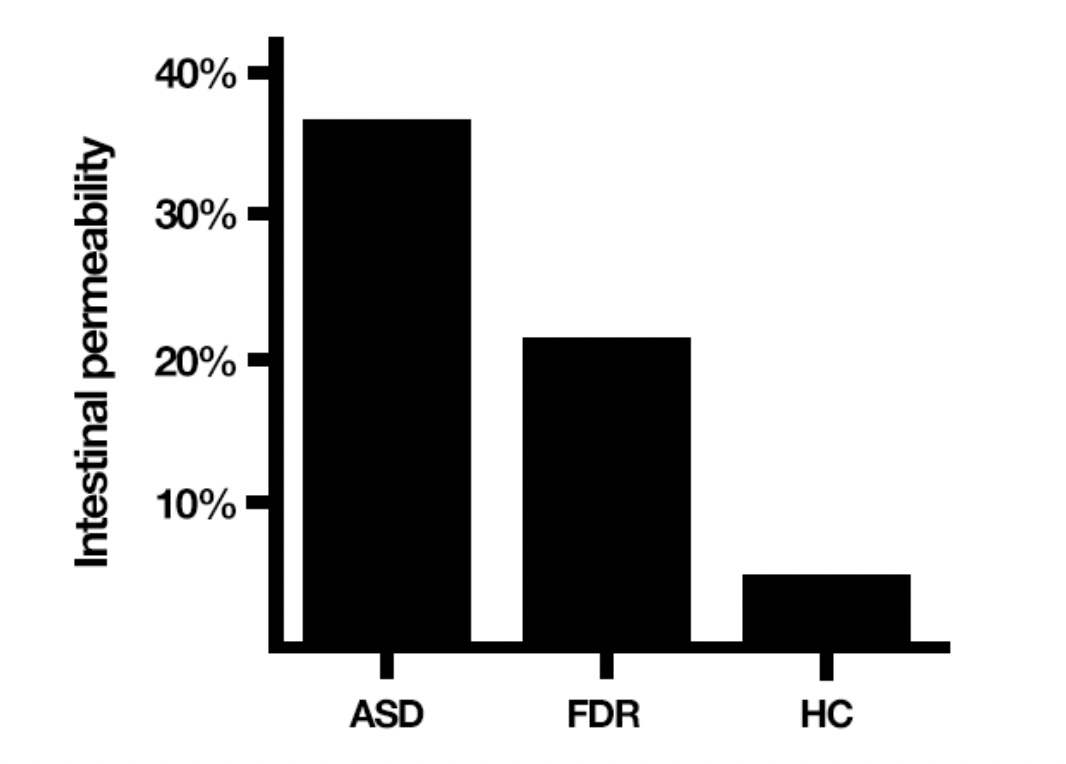
What does that hint towards? Firstly, we have a gut problem, sure. But again and again it shows us, our mental health is far more likely to not be individual and cognitive, it is far more likely to be collective and body-led. The behaviour we don’t enjoy ourselves, and the behaviour we don’t enjoy in others, is, at least in part, due to our bodily vessels having gaping holes in the hull. What do we do with those gaping holes today? We try to out-think them. When that obviously doesn’t work as the water continues to gush in, what do we do? We paper over the cracks with magic beans, which don’t work either, as represented by the fact that we have to keep taking them.
If any of that sounds interesting to you, I welcome you to check out the Somatic Academy page:
As usual, let’s pick out the three most shared pieces of content, all drawn from The Defense Cascade - What if the Body Was Trying to Save You?
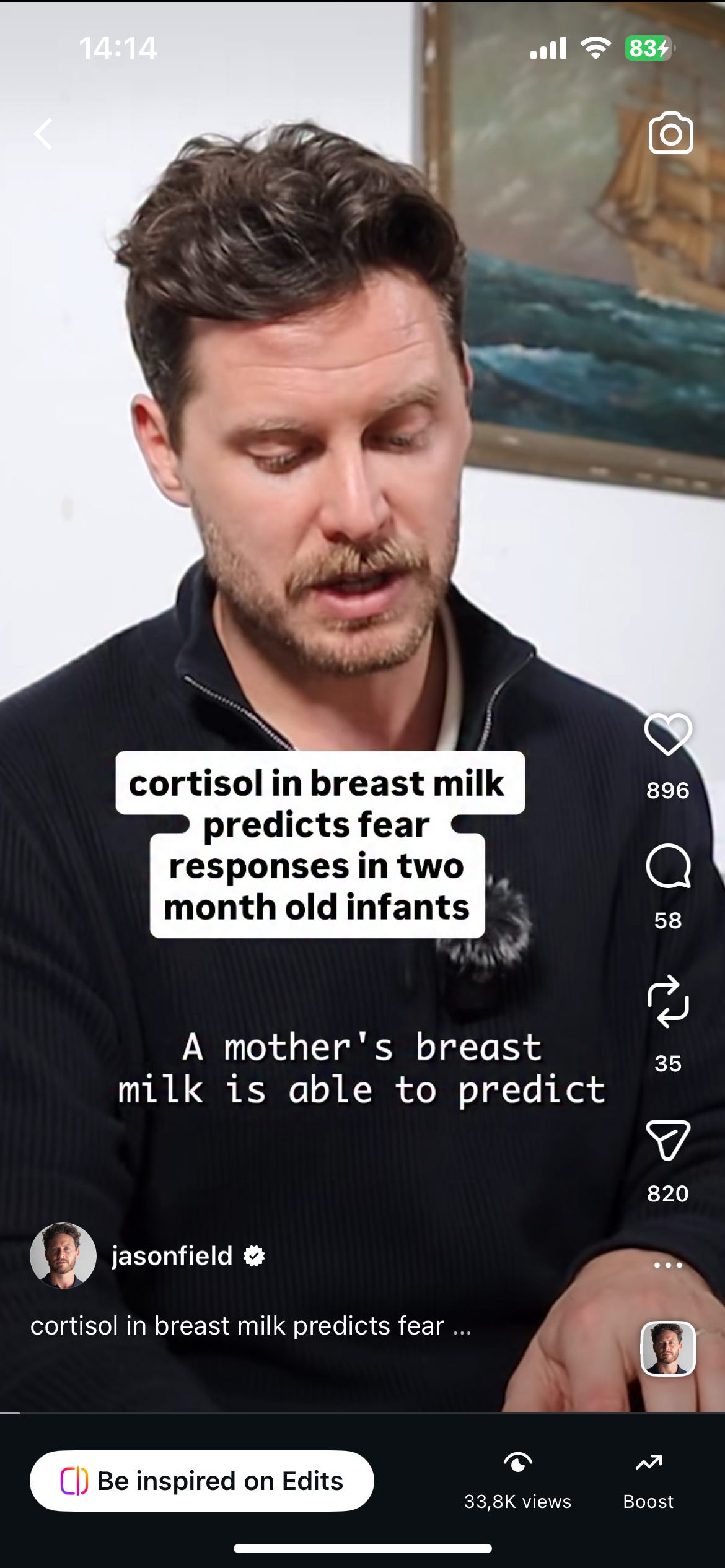
The most shared video this week was the finding that two-month-old infants’ temperament, particularly the expression of fear, can be predicted by the cortisol levels in their mothers' breast milk. Then we do what is uncommon today, and ask: what predicts that cortisol in breast milk? Answer: A mother’s early life adversity. Not included in the video, but important to note, is that fear responses in infancy predict later separation anxiety diagnosis by age 8. What is negatively associated with separation anxiety in children? Oxytocin levels. What are mum’s oxytocin levels if a child is diagnosed with separation anxiety? Up to 60% lower. What predicts a child’s oxytocin levels? Their parents’ oxytocin levels. What if the root of our suffering was our separation? If we acknowledged that, how could we collectively agree to meet disorganised states?
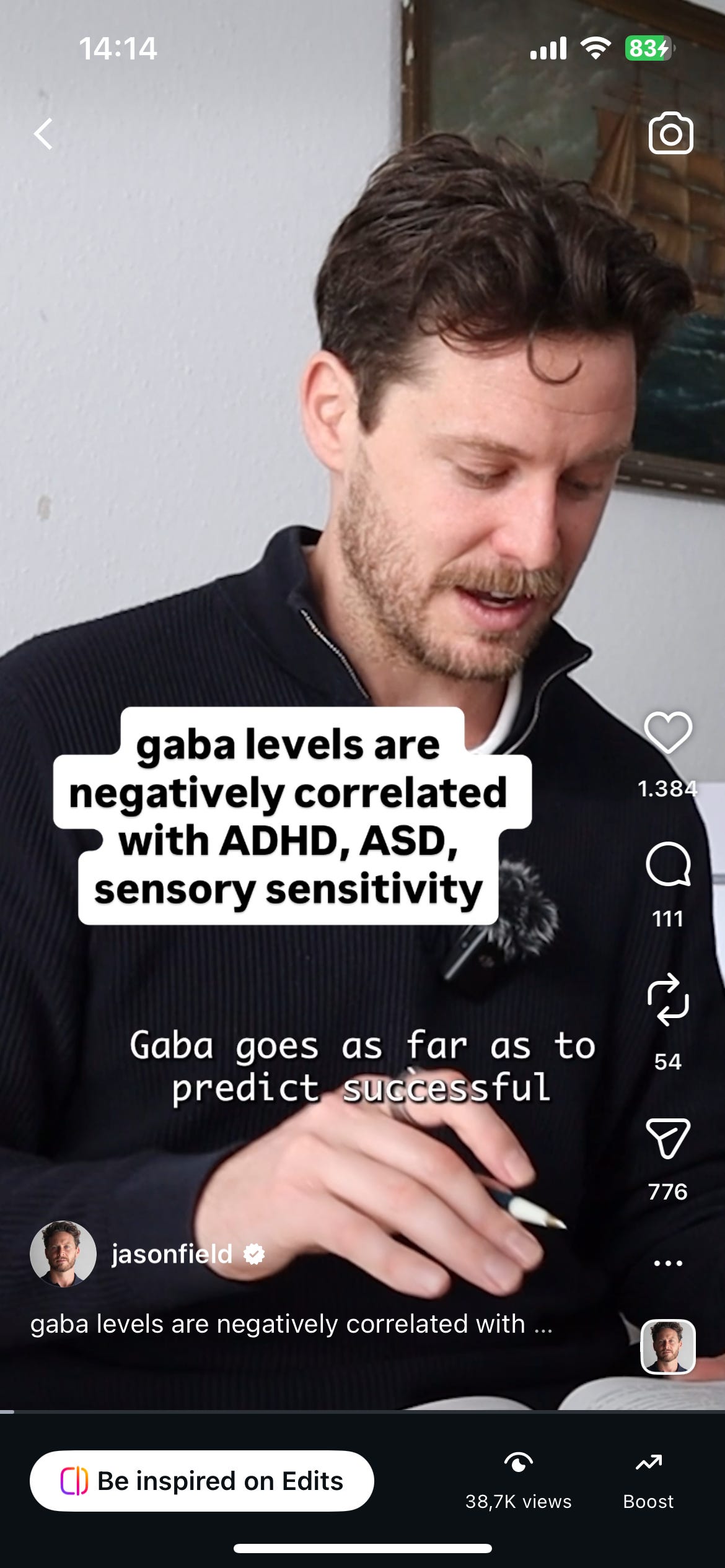
The second most shared video related to the inverse association between GABA levels and ADHD, ASD and sensory sensitivity. It may surprise many to hear that GABA actually starts its life as excitatory. What turns it inhibitory is the same as what helps produce it to start with, oxytocin. That’s right, we arrive vigilant, and after copious cues of safety presented from our parents (mum’s affectionate touch and dad’s stimulatory play), our GABA pathway turns inhibitory, and ramps up production. We observe that as calm, centred humans. We observe the opposite as the disruption of the excitatory/inhibitory balance, poor signal over noise discrimination, and sensory sensitivity. All of which we naturally find in PTSD as well.
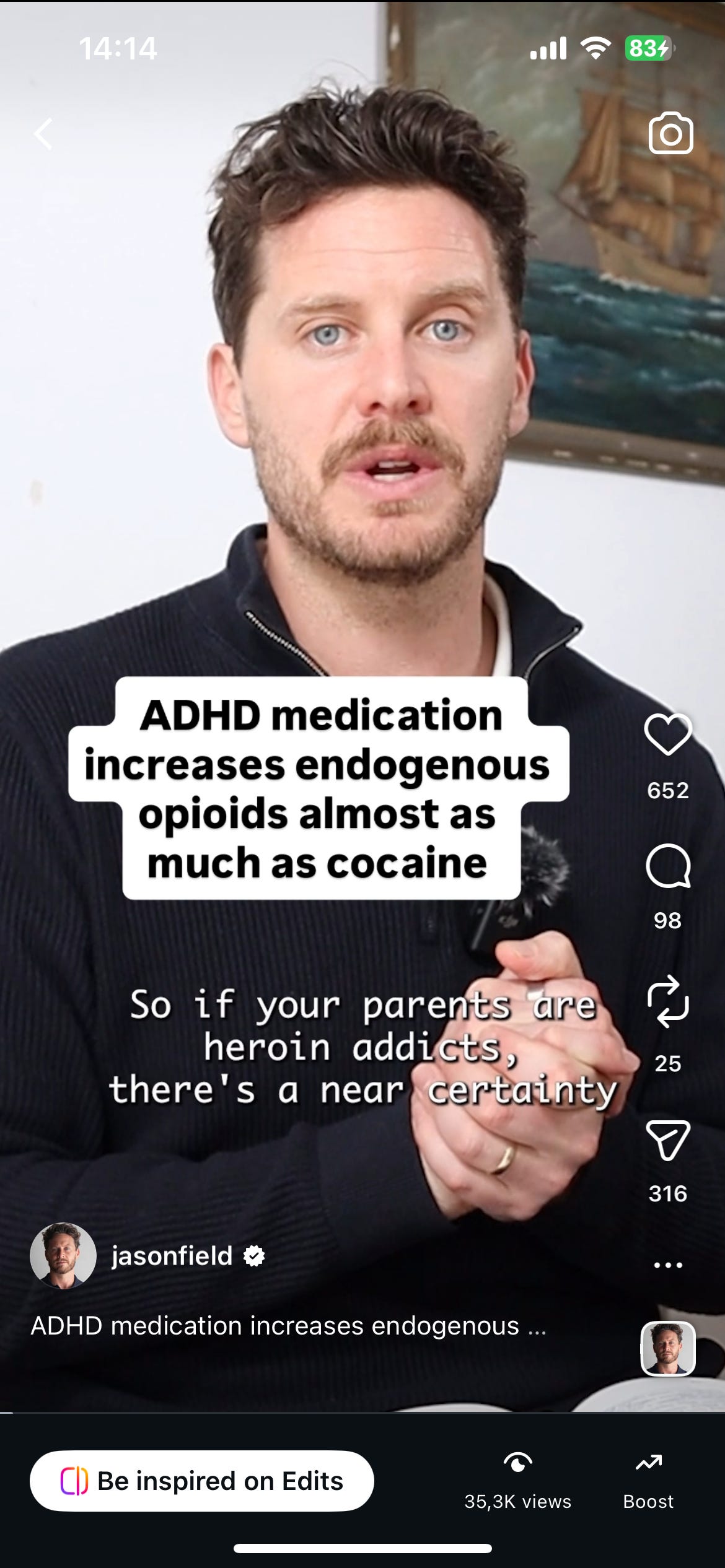
The third most shared video touched on the uncomfortable truth that if we had a goal to create an ADHD child, a highly effective way to bring that about would be to make sure that our partner and we were heroin addicts, because that leads to a 80% chance of ADHD in the next generation. Yes, ADHD is a natural by-product of the near destruction of the endogenous opioid system. What does ADHD medication do? It increases endogenous opioid receptor expression almost as much as cocaine. In comes the same metaphor as before. As a species, we see a hole in the hull, we plug it with magic beans, instead of thanking the body for trying to save us, giving us cues of where to go (safety), and self-repairing once we get there.
As for Monday meditation, we touched on epigenetic changes that correlate with feelings of ‘parental rejection’ and posed the question in a state of downregulation: what would becoming curious about adopting ourselves look and feel like?

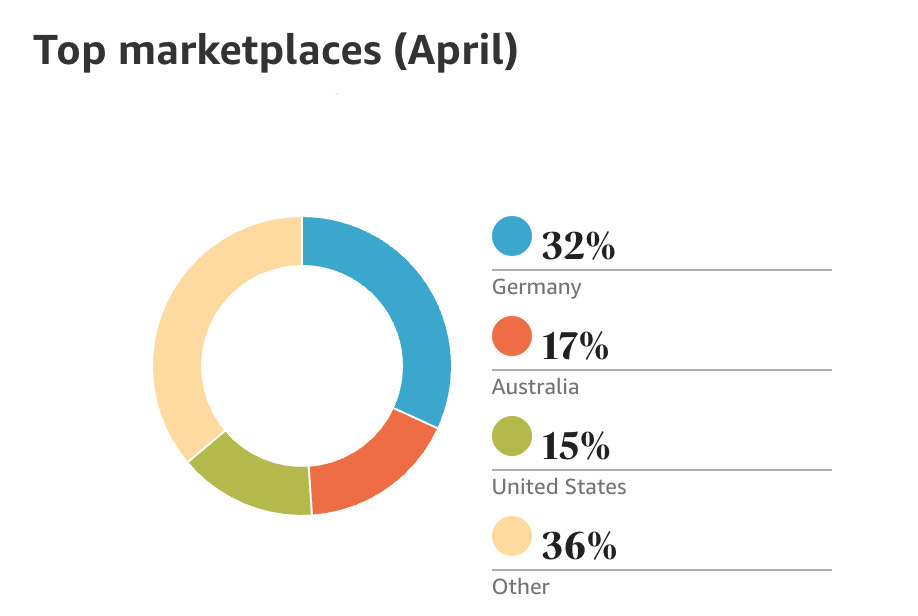
Over to our country rankings, Germany takes an even stronger lead, while Australia and the US are this week being squashed by the collective effort of all other nations, which, from past experience, is likely Canada and the UK. So thank you to all, and I sincerely wish the Defense Cascade program is serving you well.
🥇🇩🇪 🥈🇦🇺🥉 🇺🇸
I’ll leave it there for now.
As always, to your healing 💙,
Jas