

Greetings fellow human,
Hope you are keeping well. Can’t believe that’s all we’ll get to see of Mbappe this World Cup, but Spain definitely were the better side on the night. Looking forward to tonight’s match.
Let’s begin with our most shared media pieces from the last 7 days, excerpts from the newly launched program 2 in the Somatic Academy: ‘What if Love Was Your Highest Expression? Why Separation Is the Root of Our Suffering and How the Body Can Save Us:
The most shared in the last week was actually yesterday’s video, which explored the autoimmune hypothesis of a subset of autism patients. Anti-HSP60, anti-HSP70 and anti-HSP90 (along with anti-gliadin antibodies that we will talk about another time) were uncovered in children with autism. Which is fascinating because we may be handed some more paint on the palette for why sauna (4 x increase in heat shock proteins that remain elevated for 48 hours) has been found to be so beneficial for those diagnosed with autism, and why parents often report an alleviation of autism symptoms in children experiencing fever. These heatshock proteins (not the attacking antibodies) are associated with, at the very least, clearing chloride and ramping up the endogenous opioid system. Why is that helpful? Because GABA, our primary inhibitory neurotransmitter, turns excitatory with excessive chloride. A pathway sufficient to induce autism on its own. We feel this as sensory sensitivity, and this has been explored as a stepping stone to later chronic pain conditions such as fibromyalgia, which is over-represented in those diagnosed with autism (again, why ‘diversity’ lobby groups are carrying out cultural abuse). The second part, the endogenous opioid system, we have explored countless times, so let’s simply remind ourselves that it is (1) our scorecard for social attachment, (2) its expression is inversely associated with autism symptom severity.
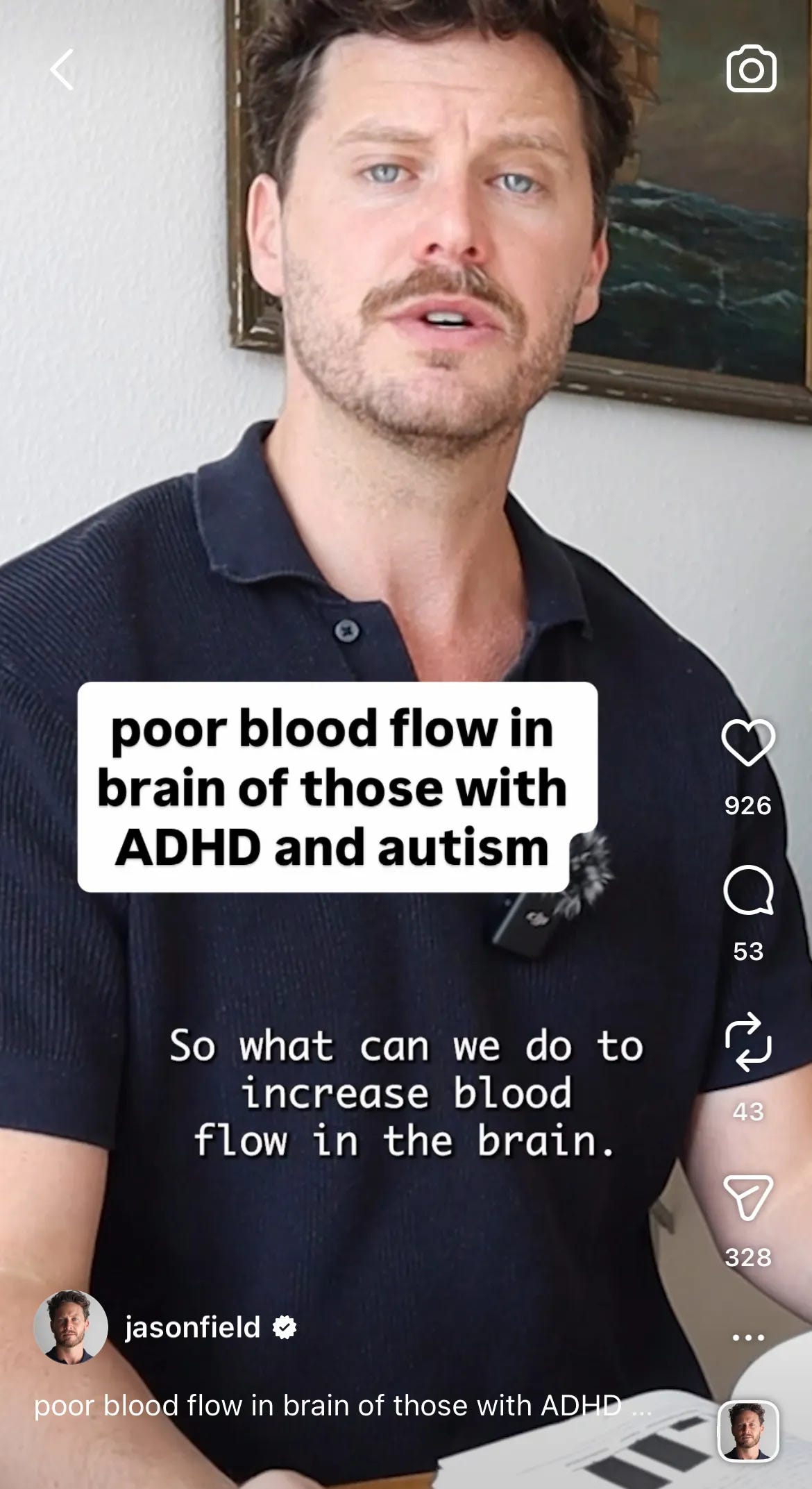
The second-most-shared video related to blood flow in the brain in those diagnosed with autism and/or ADHD. People diagnosed with ADHD have poor blood flow in the frontal region. A region associated, of course, with top-down control. People with autism have poor blood flow in the temporal region. A region associated with interpreting other people’s thoughts, feelings and behaviour. How important are these blood flow variations? Very, it’s correlated with symptom severity for both conditions. What does this blood flow represent? Not only energy expenditure, but also the very evolution of the brain. I know it doesn’t sound pleasant when I say ‘we are turning around and heading back up the tree,’ but if we don’t place our backs up against the wall from time to time, we are not motivated to carry out our rescue, rescue for our loved ones, and appropriate care for our patients. When we don’t, we become complicit in human suffering, which cascades down generations. It’s believed we had a sixfold increase in blood flow to the brain over the last three million years, which led to our separation from other hominins and to modern humans having twice the brain energy consumption of non-human primates. What can we do to steady the ship? Well, one rescue that may also be implicated in the disorganisation is breathing. Sure, our heart pumps our blood, but guess what? If you practice slow and/or abdominal breathing, the suction effect can raise respiratory contributions to brain blood flow to be on par with the heart. Remember, one of the three ingredients that predicts ADHD with 85% accuracy is dysregulated breathing.
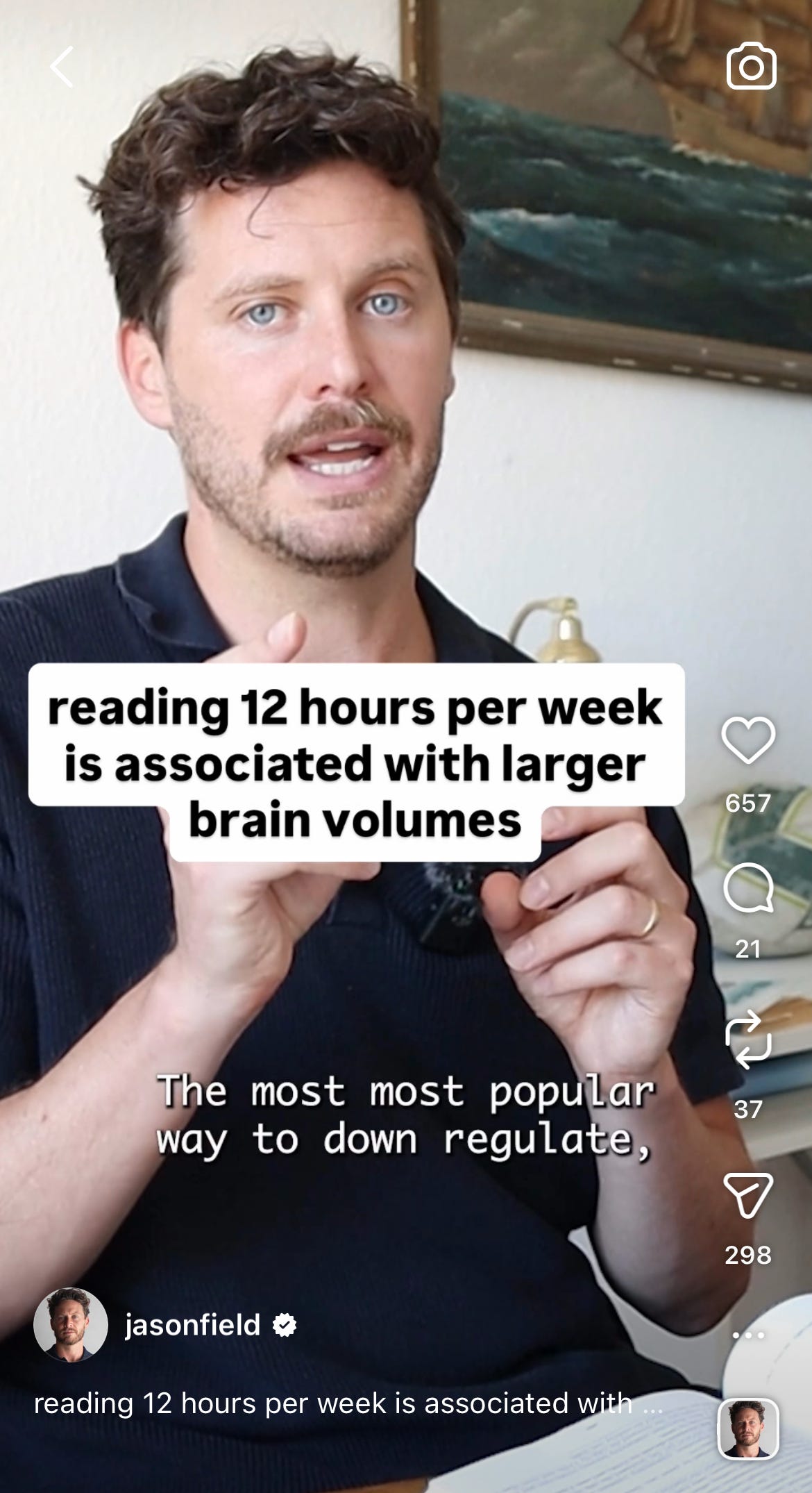
The third most shared video touched on the brain as well, this time our cultural practice of reading, and the consequences of down-prioritising it. Illiteracy has long been associated with lower brain volumes, so finding out that adolescents who read 12 hours per week have larger brains shouldn’t surprise us. However, what is interesting is the spider web complications of the choice to, or not to, read. Reading, particularly fiction, is emotional training. It builds emotional literacy, which is positively associated with emotional regulation. Then we look to see where we might be carrying out that regulation and find that the accuracy with which a mother can identify the emotional state of her child is positively associated with that child’s oxytocin levels (levels inversely associated with ADHD, anxiety and depressive symptoms). Of course, they are. We find similar connections from a million different doorways. If our emotional needs are not met, our body assumes we are abandoned, even in the presence of others. What does that default to? Low self-esteem. ‘My non-negotiable needs were invisible; therefore, I must not be worthy enough to be seen.’ Untrue, of course, but that doesn’t stop the body from running that script until we change it.
On to our meditation monday for the week. The session involved a short chat covering the relationship between the GABA switch (inhibitory-excitatory) and sensory sensitivity, then we carried out some Aum breathing and explored what state we find on the other side of that.

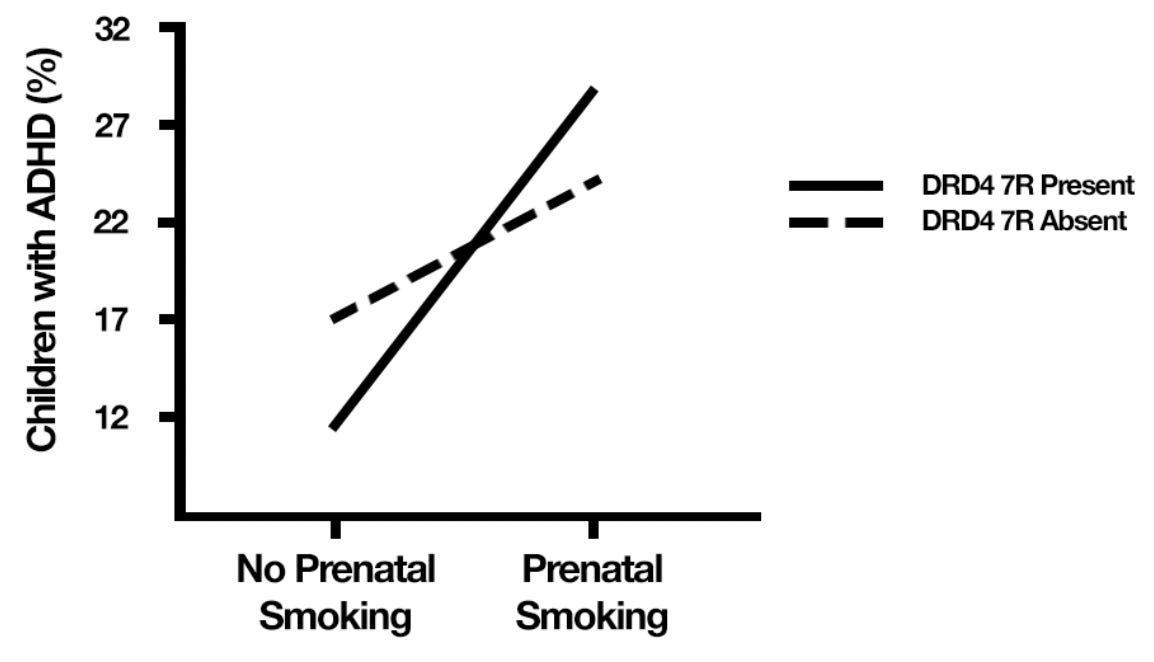
For an update on work in progress (program 3), we can look at plasticity genes. Why do we do that? Because they once again take the ‘diversity’ crowd out the backyard and hose them down with ice-cold water. Yes, for example, possessing the DRD4 7-repeat allele means you’ll have a 45% higher risk of being diagnosed with ADHD, but we can not stop ourselves from asking why, and when we do, the results are quite surprising.
Possessing this allele actually is protective at baseline, and then it switches after exposure to adversity. What’s an example? Prenatal smoking. If you were not exposed to prenatal smoking and you possessed this allele, you actually have a lower chance of being diagnosed with ADHD. If you were exposed to prenatal smoking with this risk allele, then it swaps. We can substitute ‘prenatal smoking’ with about 7 different adversity loads that we will explore in detail in due course. The important observation is that the genetic fate argument is a poverty of perspective and kneecaps us from reaching our highest expression.
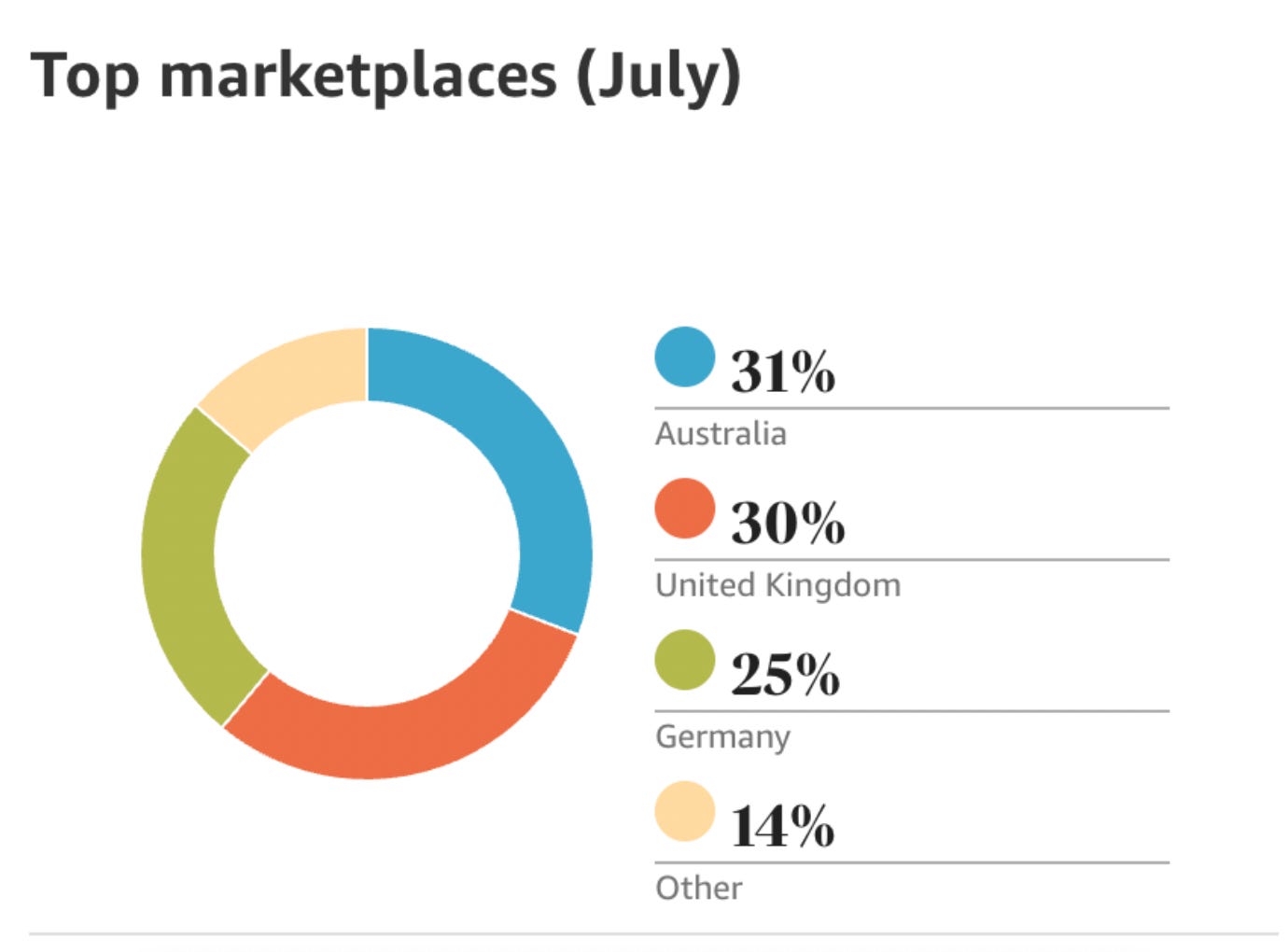
Lastly, let’s visit our country rankings for the month. We have Australia taking out the top spot for the highest number of somatic academy program entrants, followed by the UK and in third place, Germany. Wishing you all the very best in your body-led journeys. 🥇🇦🇺🥈🇬🇧🥉🇩🇪
I’ll leave it there for now.
Here’s to your healing 💙,
Jas